
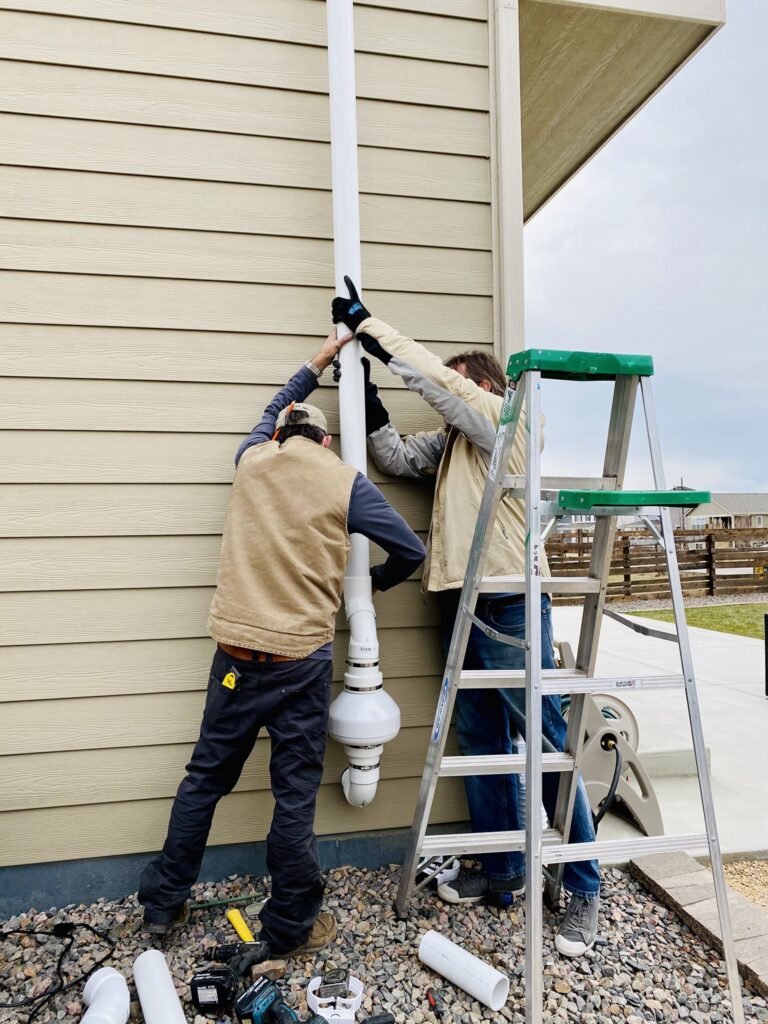
Radon gas, an invisible and odorless radioactive element, poses a significant health risk in many homes across Denver and other parts of Colorado. Naturally occurring from the decay of uranium in soil, rock, and water, radon can accumulate to dangerous levels indoors, increasing the risk of lung cancer. Given its prevalence in the Denver area, understanding the importance of radon mitigation is crucial for homeowners and property managers. This article explores the necessity of radon mitigation, effective strategies, and professional approaches to ensure safe living environments.
Understanding Radon and Its Risks
Radon is a naturally occurring gas that can seep into homes through cracks in floors, walls, and foundations. It is the second leading cause of lung cancer after smoking, making it a significant public health concern. Although radon levels can vary between neighboring homes, the consistent presence of this gas in Denver homes highlights the need for awareness and mitigation.
Health Implications
- Long-term exposure to radon increases lung cancer risk.
- Non-smokers are at risk, though smokers face an even greater threat.
- Radon levels above 4 picocuries per liter (pCi/L) are considered hazardous.
Radon Testing: The First Step
Effective radon mitigation begins with comprehensive testing. Homeowners should regularly test their properties, especially in areas known for high radon levels like Denver. Testing kits are widely available and provide a straightforward method to assess radon concentration.
Types of Radon Tests
- Short-term tests: Provide quick results and are useful for initial screening.
- Long-term tests: Offer a more accurate average over time, typically 90 days to one year.
- Continuous radon monitors: Provide ongoing measurements and are ideal for thorough assessments.
To gain a deeper understanding of the testing process, discover expert strategies here.
Mitigation Strategies
Once high radon levels are detected, implementing the right mitigation strategies is essential. These strategies aim to reduce radon levels to below the recommended safety threshold.
Common Mitigation Techniques
- Sub-slab depressurization: Involves installing a vent pipe system and fan to draw radon from beneath the house and expel it outside.
- Sealing: Cracks in floors and walls are sealed to prevent radon entry.
- Ventilation: Increasing air exchange in crawl spaces and basements can significantly lower radon levels.
For more detailed information on these approaches, learn about our tailored solutions.
The Role of Professional Mitigation Services
While some mitigation measures can be undertaken by homeowners, professional services are often necessary for comprehensive radon reduction. Experts have the experience and tools required to assess, plan, and implement effective solutions tailored to specific home conditions.
Benefits of Professional Services
- Accurate assessment and diagnosis of radon levels.
- Customized mitigation plans suited to individual homes.
- Ensured compliance with local safety regulations.
To explore advanced guides and tips, find out more about this approach.
Conclusion
Radon mitigation is a critical process for ensuring safe and healthy living conditions in Denver. By understanding the risks, regularly testing, and implementing effective mitigation strategies, homeowners can significantly reduce the dangers associated with radon exposure. It is highly recommended to engage with professionals who can provide tailored solutions and expert guidance. For those seeking to enhance their knowledge and implement best practices, explore advanced guides and tips available online.
