
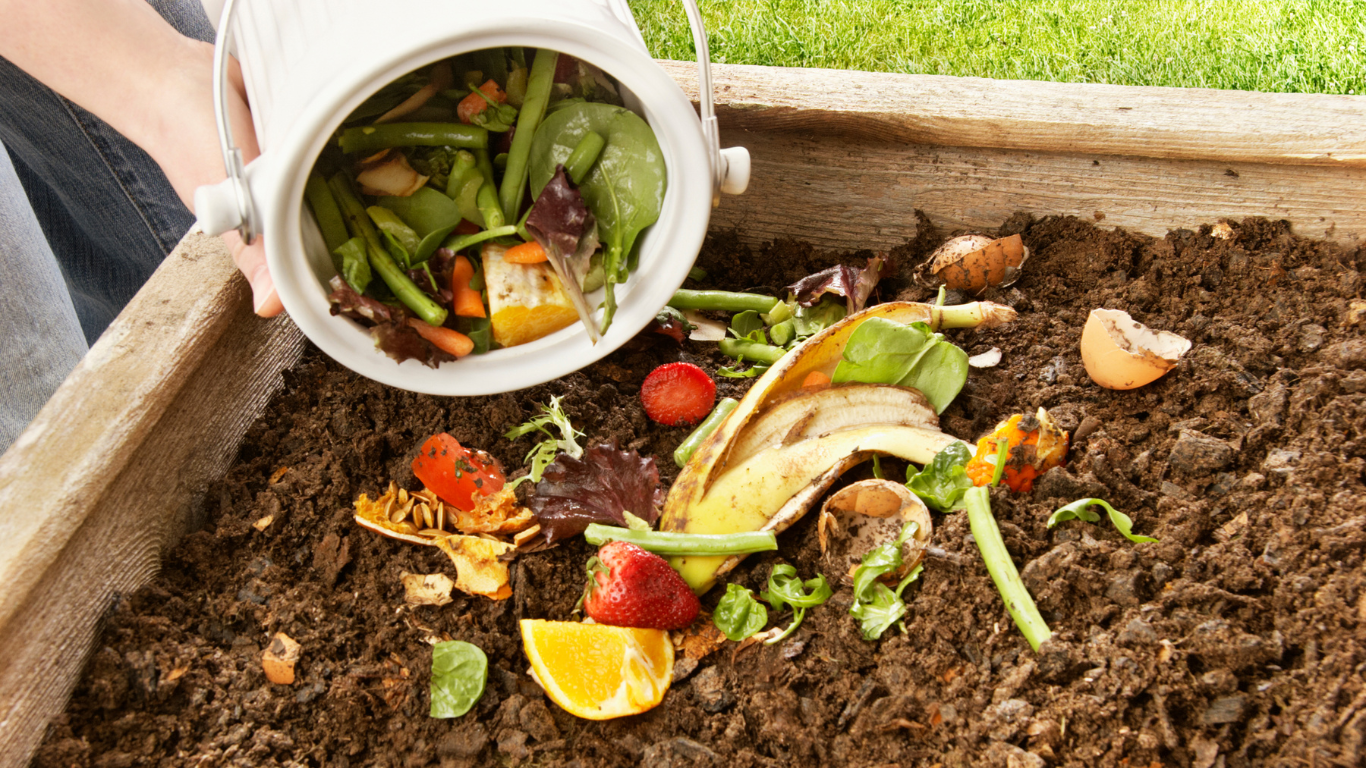
In recent years, the city of Vancouver has emerged as a leader in sustainability, with a particular emphasis on the importance of organics recycling. As urban centers grow, the need for effective waste management systems becomes increasingly paramount. Organics recycling, in particular, offers a viable solution to reduce landfill waste, lower greenhouse gas emissions, and create nutrient-rich soil amendments. This article explores the environmental impact of organics recycling in Vancouver, examining its benefits and challenges while highlighting its integral role in sustainable urban development.
Understanding Organics Recycling
Organics recycling involves the collection and processing of organic waste such as food scraps, yard trimmings, and other biodegradable materials. By diverting these materials from landfills, organics recycling helps:
- Reduce methane emissions, a potent greenhouse gas.
- Conserve landfill space for non-recyclable materials.
- Create compost that enriches soil and enhances plant growth.
The Role of Organics Recycling in Vancouver
City Initiatives and Programs
Vancouver has implemented various initiatives to promote organics recycling. The city provides residents with green bins for organic waste collection, facilitating easy participation in the program. These efforts are supported by educational campaigns to raise awareness about proper sorting and disposal techniques.
Environmental Benefits
The environmental benefits of organics recycling in Vancouver are significant. By reducing the amount of waste sent to landfills, the city decreases its carbon footprint and minimizes its impact on climate change. Additional benefits include:
- Improved air quality by reducing landfill odors and methane emissions.
- Enhanced soil health through the use of compost, leading to more resilient and productive urban gardens and green spaces.
- Conservation of natural resources by reducing the need for chemical fertilizers and promoting sustainable agriculture practices.
Challenges and Solutions
Despite the numerous benefits, organics recycling in Vancouver faces certain challenges. Common issues include contamination of organic waste with non-biodegradable materials and logistical difficulties in collection and processing. To address these challenges, the city continues to innovate and improve its systems, focusing on:
- Investing in advanced sorting and processing technologies to enhance efficiency.
- Expanding educational outreach to inform the public about the importance of proper waste segregation.
- Partnering with local businesses and organizations to streamline waste collection and processing efforts.
The Future of Organics Recycling in Vancouver
As Vancouver continues to grow and evolve, the future of organics recycling looks promising. The city is committed to achieving zero waste goals, and organics recycling is a critical component of this vision. By fostering collaboration among residents, businesses, and governmental agencies, Vancouver is paving the way for a more sustainable and environmentally-friendly urban landscape.
In conclusion, organics recycling presents a unique opportunity for cities like Vancouver to reduce their environmental impact and promote sustainable waste management practices. By embracing this approach, Vancouver not only improves its local environment but also sets a precedent for other cities around the world to follow.
