
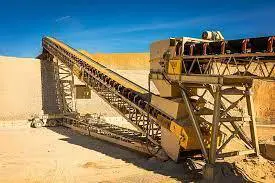
In the fast-paced world of industrial manufacturing, conveyor belts serve as the backbone of efficient material handling systems. Selecting a high-quality supplier for industrial conveyor belts is crucial to ensure durability, efficiency, and cost-effectiveness. The market offers numerous suppliers, each with varying degrees of expertise and product quality. Hence, understanding the key factors to consider when choosing a supplier can significantly impact operational success.
Understanding the Importance of Quality Conveyor Belts
Industrial conveyor belts are essential for various sectors, including mining, food processing, packaging, and logistics. They not only facilitate the seamless movement of goods but also enhance productivity and reduce labor costs. A high-quality conveyor belt ensures:
- Long-lasting performance
- Minimal maintenance costs
- Reduced downtime
- Improved safety standards
These factors highlight why selecting the right supplier is paramount for any business reliant on conveyor belt systems. Discover expert strategies here to enhance conveyor belt efficiency.
Key Factors to Consider When Choosing a Supplier
Reputation and Experience
The reputation of a supplier is a testament to their reliability and product quality. Experienced suppliers have a proven track record and are more likely to offer customized solutions that meet specific industry needs. Checking customer reviews and industry certifications can provide insights into a supplier’s standing. Learn about our tailored solutions for selecting reputable suppliers.
Product Range and Customization Options
A diverse product range indicates a supplier’s capability to meet varied industrial requirements. From light-duty belts for food processing to heavy-duty belts for mining, the ability to customize products is crucial. Suppliers that offer customization options can tailor products to suit unique operational demands, enhancing efficiency. Explore advanced guides and tips on product customization.
Quality Assurance and Standards
Adherence to recognized quality standards is vital. Suppliers should comply with international quality certifications such as ISO standards, which guarantee the reliability and safety of conveyor belts. It’s important to request quality documentation and conduct on-site visits to verify manufacturing processes when possible. Find out more about this approach to ensure quality compliance.
Evaluating Supplier Support and Services
Beyond the product itself, the level of support and service a supplier offers can considerably affect the operational success of conveyor systems. Important aspects to evaluate include:
- After-sales support: Efficient support teams can provide quick solutions to technical issues, minimizing downtime.
- Installation services: Suppliers that offer professional installation services can ensure optimal setup and performance.
- Maintenance and repair services: Regular maintenance services are crucial for extending the life of conveyor belts.
Choosing a supplier that provides comprehensive support ensures continuity and reliability in operations. Discover expert strategies here to effectively evaluate supplier services.
The Future of Conveyor Belt Technology
As industries evolve, so does conveyor belt technology. Innovations such as smart conveyor systems and eco-friendly materials are gaining traction. Forward-thinking suppliers invest in research and development to offer cutting-edge solutions that align with industry advancements. Businesses should remain informed about emerging trends to maintain a competitive edge. Learn about our tailored solutions to stay ahead with the latest technological developments.
In conclusion, choosing the right supplier for industrial conveyor belts is a strategic decision that requires careful consideration of various factors. From evaluating reputation and product quality to assessing support services and technological advancements, businesses must adopt a comprehensive approach. By doing so, they can ensure the acquisition of reliable, efficient, and durable conveyor systems that meet their operational needs.
