
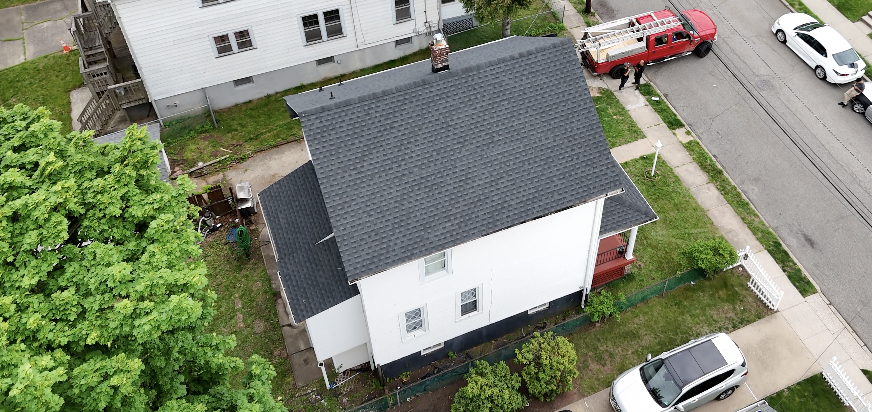
As the demand for sustainable energy solutions increases, solar panel installations have become an integral part of modern roofing projects. With the dual benefits of reducing energy costs and minimizing carbon footprints, solar panels are an excellent addition for anyone considering a roof replacement. However, integrating solar panels into a new roof requires careful planning and execution to ensure long-term reliability and performance. This article explores reliable solar panel installation practices during roof replacement services, highlighting key considerations and best practices.
Understanding the Benefits of Solar Panel Installation
Integrating solar panels with roof replacement projects offers numerous advantages:
- Energy Efficiency: Solar panels harness the sun?s energy, significantly reducing electricity bills.
- Environmental Impact: Utilizing solar power reduces dependency on fossil fuels, lowering greenhouse gas emissions.
- Increased Property Value: Homes equipped with solar panels often see a rise in property value.
- Potential Tax Incentives: Many regions offer tax incentives for solar panel installations, making them more financially viable.
For more information about the benefits of solar energy, read more about this topic.
Key Considerations for Reliable Solar Panel Installation
Assessing Roof Suitability
Before installing solar panels, it’s crucial to assess the suitability of the roof. Factors to consider include:
- Roof Orientation: South-facing roofs typically receive the most sunlight, maximizing energy production.
- Roof Pitch: The angle of the roof can impact the efficiency of solar panels.
- Structural Integrity: Ensure the roof is in good condition and can support the weight of the panels.
Learn more in this detailed guide about assessing roof suitability for solar installations.
Choosing the Right Solar Panel System
The choice of solar panel system is critical to the success of the installation. Consider the following:
- Type of Panels: Monocrystalline panels are more efficient but costlier compared to polycrystalline panels.
- System Size: The size of the system should align with the energy needs and roof space available.
- Inverter Types: Choose between string inverters and microinverters based on the specific installation needs.
Explore further insights here on selecting the right solar panel system.
Installation Best Practices
Professional Installation
Hiring experienced professionals is critical to ensuring a reliable installation. Professional installers will:
- Conduct a thorough assessment of the site and provide expert recommendations.
- Ensure the installation complies with local building codes and regulations.
- Provide warranties and support for the solar panel system.
Find additional information here about the importance of professional installation services.
Maintenance and Monitoring
After installation, regular maintenance is essential to maintain the efficiency and longevity of the solar panels. Key practices include:
- Regular Cleaning: Keep panels free from debris and dirt to ensure maximum sunlight absorption.
- Performance Monitoring: Use monitoring systems to track energy production and identify potential issues.
- Timely Repairs: Address any damage or performance issues promptly to prevent further complications.
For more details on maintaining solar panel systems, explore further insights here.
Conclusion
Incorporating solar panels during roof replacements is a strategic decision that offers long-term benefits. By carefully assessing roof suitability, selecting the right solar panel system, and ensuring professional installation and maintenance, homeowners can enjoy the advantages of renewable energy. For comprehensive guidance on solar panel installations, find additional information here.
