
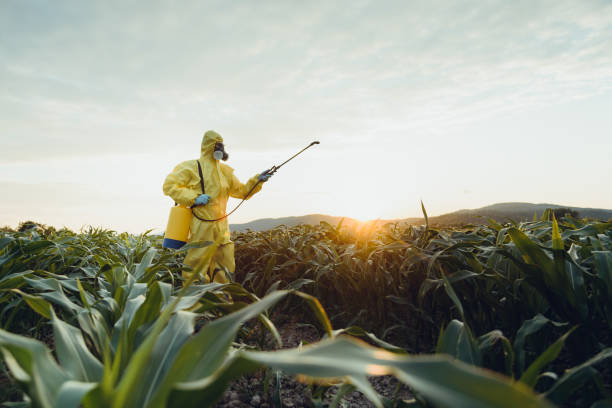
As environmental consciousness takes center stage, the demand for sustainable practices permeates every aspect of our lives, including pest control. Traditional pest control methods often involve harsh chemicals that can harm both the environment and human health. In contrast, eco friendly pest control solutions offer a sustainable alternative that minimizes impact on the environment while effectively managing pest populations. This article explores top eco-friendly pest control solutions designed to protect both homes and the ecosystem.
Integrated Pest Management (IPM)
Integrated Pest Management is a holistic approach that combines various strategies to manage pest populations sustainably. Instead of relying solely on chemical treatments, IPM utilizes a combination of methods such as:
- Biological controls, which involve introducing natural predators to control pest populations.
- Cultural practices, including crop rotation and habitat manipulation to reduce pest habitats.
- Mechanical controls, such as using traps and barriers to prevent pest entry.
- Minimal and targeted use of eco-friendly pesticides when necessary.
By focusing on prevention and using chemical treatments as a last resort, IPM significantly reduces the environmental footprint of pest control efforts.
Biological Control Methods
Biological control is a cornerstone of eco-friendly pest management. This method involves using living organisms to control pest populations. Common biological control agents include:
- Predators such as ladybugs that consume aphids and other small insects.
- Parasitoids like certain wasps that lay their eggs in or on pests, ultimately killing them.
- Pathogens, including bacteria, viruses, and fungi, that infect and kill pests.
By leveraging natural predation and parasitism, biological control methods provide a sustainable solution to pest problems without introducing harmful chemicals into the environment.
Botanical Pesticides
Botanical pesticides are derived from plants and offer an environmentally friendly alternative to synthetic chemicals. These natural pesticides are often biodegradable and less toxic to non-target organisms. Examples include:
- Neem oil, which disrupts the growth and reproduction of pests.
- Pyrethrum, extracted from chrysanthemum flowers, which acts on the nervous system of insects.
- Essential oils such as peppermint and clove oil, which repel various pests.
Botanical pesticides provide an effective means of pest control while minimizing negative impacts on the environment and non-target species.
Physical and Mechanical Controls
Physical and mechanical control methods are essential components of eco-friendly pest management. These methods focus on excluding, trapping, or eliminating pests without chemicals. Techniques include:
- Installing barriers such as screens and nets to prevent pest entry.
- Using traps to capture rodents and insects.
- Employing heat treatments to eliminate pests in stored products.
- Solarization, which uses sunlight to sterilize soil and reduce pest populations.
These approaches offer a straightforward and effective means of managing pests without compromising environmental integrity.
Conclusion
As the global community moves towards sustainable living, adopting eco-friendly pest control solutions becomes increasingly important. By integrating methods such as Integrated Pest Management, biological controls, botanical pesticides, and physical barriers, it is possible to manage pest populations responsibly and effectively. Such sustainable practices not only protect our homes but also preserve the delicate balance of our ecosystems.
