
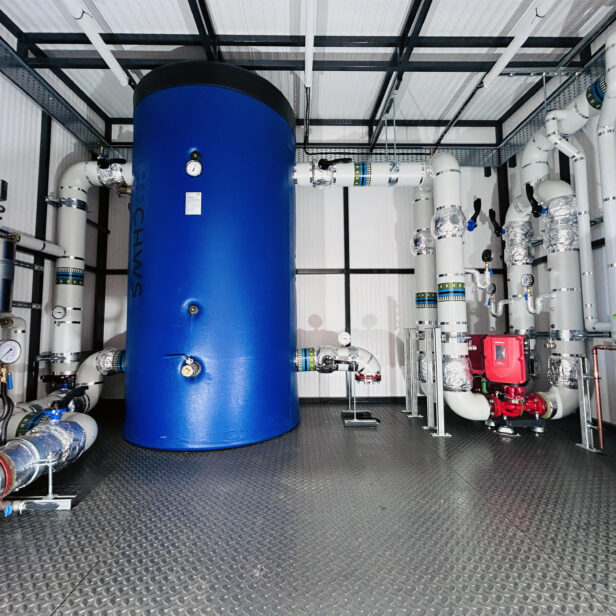
Heat Interface Units (HIUs) represent an innovative solution in modern heating systems, offering a bridge between centralised energy production and individual property needs. As the focus shifts towards sustainable and efficient energy consumption, understanding the benefits of HIUs becomes essential for homeowners, developers, and property managers. These units play a crucial role in district heating systems, where they transfer heat from a central source to individual residences or commercial spaces. This article delves into the multifaceted advantages of HIUs, illustrating why they are a pivotal component in contemporary energy management.
What are Heat Interface Units?
Heat Interface Units are pivotal in delivering efficient heating and hot water to properties connected to communal or district heating systems. They allow for the transfer of heat from a centralised source directly to a building’s internal systems, ensuring optimal energy use and control. These units serve as an intermediary between the primary energy supply and individual heating systems within a property.
Key Functions of HIUs
- Regulating the flow of heat from the central source into the property.
- Providing instantaneous domestic hot water on demand.
- Ensuring efficient space heating through well-controlled distribution.
- Offering individual metering, allowing users to monitor usage and costs.
For those interested in more detailed technical descriptions and functionalities, discover expert strategies here.
Advantages of Using Heat Interface Units
Energy Efficiency
HIUs are designed to optimise energy consumption, which is a critical aspect of reducing carbon footprints and promoting sustainability. By using HIUs, energy loss is minimised, and the efficiency of heat distribution is maximised. This contributes to lower energy bills for consumers and a more sustainable environmental impact.
Cost-Effectiveness
- Reduced individual heating costs due to the efficiency of centralised heat production and distribution.
- Lower maintenance costs compared to traditional heating systems.
- Potential for government incentives for using energy-efficient technologies.
For comprehensive details on how HIUs contribute to cost savings, learn about our tailored solutions.
Enhanced Control and Flexibility
HIUs provide end-users with greater control over their heating and hot water systems. They allow for individual adjustment of temperature settings, ensuring comfort and convenience. Additionally, HIUs can be integrated with smart home systems, providing remote access and control over energy use.
To discover how these units enhance control and flexibility in home energy systems, explore advanced guides and tips.
Environmental Benefits
With the increasing emphasis on reducing environmental impact, HIUs present a viable solution. By centralising energy production and optimising distribution, HIUs significantly reduce greenhouse gas emissions compared to individual, less efficient heating systems. This aligns with global efforts to combat climate change and promotes sustainable urban development.
Supporting Sustainable Urban Development
- Reduced emissions due to centralised energy production.
- Supports the integration of renewable energy sources into heating systems.
- Facilitates urban planning goals by providing scalable heating solutions.
For more insights on the environmental benefits and their role in sustainable urban planning, find out more about this approach.
Conclusion
Heat Interface Units are more than just a component of modern heating systems; they are a key player in the transition towards more efficient and sustainable energy use. With their ability to deliver cost-effective, flexible, and environmentally friendly heating solutions, HIUs are well-positioned to become the standard in district and communal heating systems. As the demand for energy-efficient solutions grows, the role of HIUs will undoubtedly continue to expand, making them an essential consideration for those involved in modern building management and development.
