
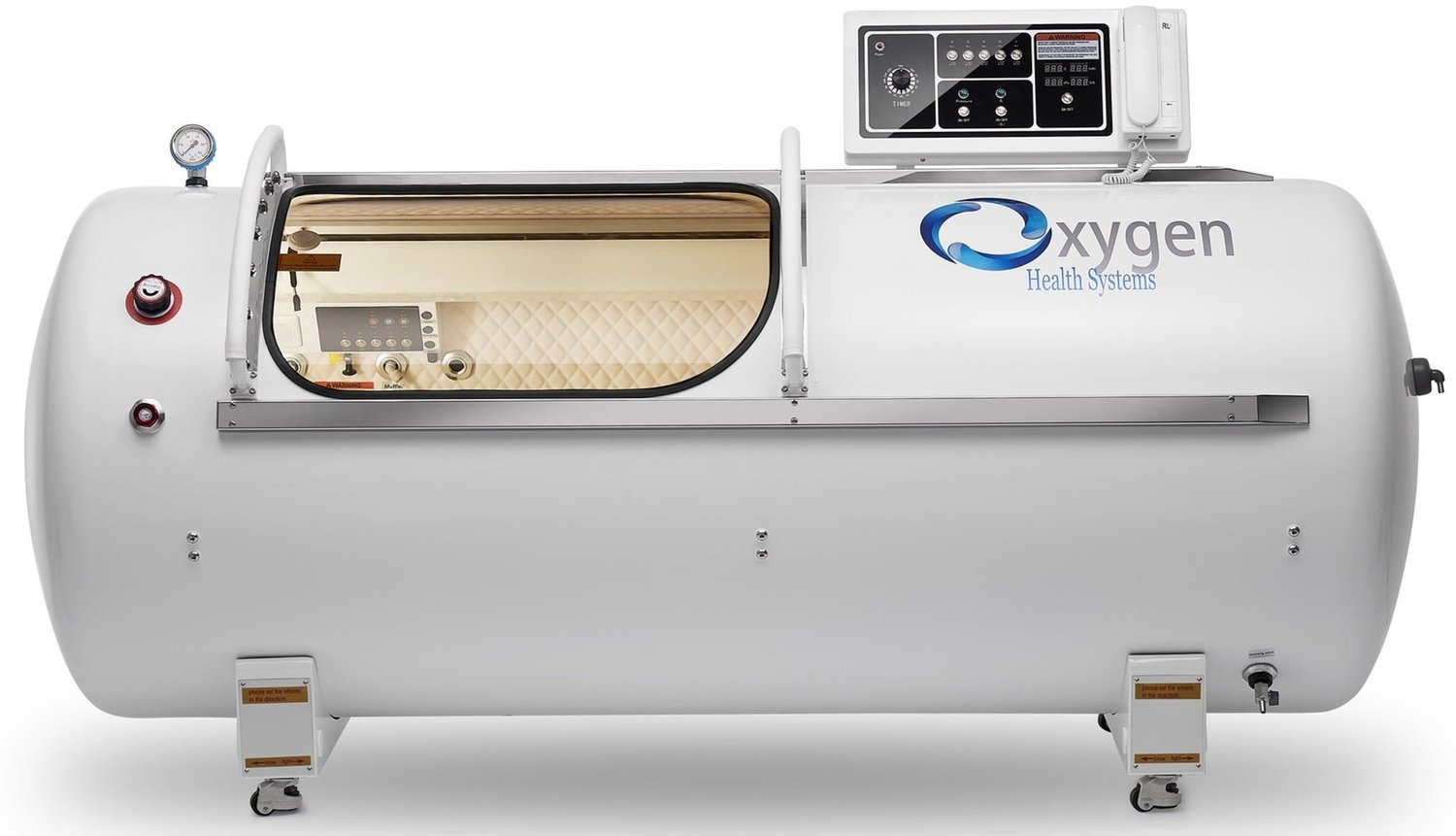
In the evolving landscape of medical rehabilitation, hyperbaric oxygen therapy (HBOT) is gaining recognition for its role in enhancing recovery from brain injuries. As research continues to underscore the benefits of increased oxygen levels in the bloodstream, hyperbaric chambers are becoming a pivotal tool in therapeutic settings. This advanced treatment is particularly beneficial for individuals recovering from traumatic brain injuries (TBI) and concussions, offering a promising pathway to improved neurological health and function.
Understanding Hyperbaric Oxygen Therapy
Hyperbaric oxygen therapy involves placing a patient in a pressurized chamber where they breathe 100% oxygen. This process significantly increases the amount of oxygen in the blood, which can enhance the body”?s natural healing processes. For brain injury patients, this can translate into several key benefits:
- Enhanced Oxygen Supply: More oxygen reaches damaged brain tissues, promoting healing and reducing inflammation.
- Improved Brain Function: Increased oxygen levels can help to restore cognitive function and improve overall brain health.
- Neuroplasticity Support: Oxygen-rich environments can facilitate neuroplasticity, helping the brain to repair and rewire itself.
The Mechanism Behind HBOT for Brain Injuries
When addressing the mechanism of hyperbaric oxygen therapy, it’s crucial to consider how enriched oxygen environments impact cellular repair and regeneration. For patients with brain injuries, the following mechanisms are particularly relevant:
Reducing Inflammation
Inflammation is a common response following a traumatic brain injury, contributing to further tissue damage. Hyperbaric chambers can help mitigate inflammation by delivering high concentrations of oxygen, which supports anti-inflammatory processes. Learn about our tailored solutions for reducing inflammation through HBOT.
Promoting Cellular Repair
Oxygen plays a critical role in cellular metabolism and energy production. In a hyperbaric environment, the enhanced oxygen supply accelerates the repair of damaged brain cells, promoting quicker recovery and improved function. Explore advanced guides and tips on how HBOT supports cellular repair.
Clinical Evidence Supporting HBOT for Brain Injuries
Multiple studies have demonstrated the efficacy of hyperbaric oxygen therapy in treating brain injuries. Patients undergoing HBOT often report:
- Faster Recovery Times: Accelerated healing processes lead to quicker recovery from brain injuries.
- Enhanced Cognitive Functions: Improvements in memory, attention, and executive function are frequently observed.
- Reduction in Post-Concussion Symptoms: Symptoms such as headaches, dizziness, and mood disturbances are significantly reduced.
For a deeper understanding of these clinical outcomes, find out more about this approach to brain injury treatment.
Integrating HBOT Into Rehabilitation Plans
Incorporating hyperbaric oxygen therapy into a comprehensive rehabilitation plan requires careful consideration and expert guidance. Key elements include:
- Individual Assessment: Each patient should be assessed to determine the appropriateness of HBOT for their specific condition.
- Customized Treatment Protocols: Therapy sessions should be tailored to the patient’s unique needs and recovery goals.
- Multidisciplinary Approach: Combining HBOT with other therapeutic modalities can enhance overall outcomes.
To discover expert strategies for integrating HBOT into rehabilitation protocols, discover expert strategies here.
Conclusion
Hyperbaric oxygen therapy represents a powerful tool in the arsenal of treatments for brain injuries. By delivering concentrated oxygen to damaged tissues, HBOT not only supports rapid recovery but also enhances cognitive function and overall brain health. As more clinical evidence emerges, the role of hyperbaric chambers in treating brain injuries becomes increasingly clear. Patients and healthcare providers are encouraged to consider this approach as part of a comprehensive recovery plan.
