
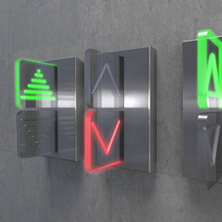
The elevator industry is undergoing a transformative shift as sustainability moves from a niche concern to a core design principle. Modern lift fixtures are no longer judged solely on aesthetics or durability; they are evaluated on their environmental impact, recyclability, and the carbon footprint of their production. This article explores the most influential trends shaping lift fixtures today, highlighting the materials, technologies, and design philosophies that are driving a greener future for vertical transportation.
Why Sustainable Materials Matter
Choosing sustainable materials for lift fixtures delivers multiple benefits:
- Reduced carbon emissions: Lower-impact raw materials and manufacturing processes cut greenhouse-gas output.
- Longer lifecycle: Durable, recyclable components decrease the need for frequent replacements.
- Regulatory compliance: Many regions now mandate eco-friendly construction standards for public infrastructure.
- Enhanced brand perception: Buildings equipped with green technology attract environmentally conscious tenants and users.
Emerging Materials in Lift Fixtures
Recycled Aluminum and Steel
Recycled aluminum and steel have become staples in contemporary lift fixture design. These metals retain the strength and finish quality of virgin material while diverting waste from landfills. Advanced sorting and melting techniques ensure that the recycled content meets stringent structural standards.
Biodegradable Polymers
New generations of biodegradable polymers are being used for interior panels, handrails, and decorative trims. These polymers break down under specific conditions, reducing long-term waste without compromising fire safety or durability.
Engineered Wood Composites
Engineered wood composites, such as cross-laminated timber (CLT) and bamboo-based panels, provide a warm aesthetic while offering high strength-to-weight ratios. Their renewable sourcing and carbon-sequestering properties make them attractive alternatives to traditional metal finishes.
Design Strategies for Sustainability
Beyond material selection, designers employ several strategies to maximize sustainability:
- Modular construction: Prefabricated, interchangeable components simplify installation and future upgrades.
- Design for disassembly: Fixtures are engineered to be easily separated, allowing individual parts to be recycled or repurposed.
- Low-impact finishes: Water-based paints and powder coatings reduce volatile organic compounds (VOCs) and energy consumption.
Case Study: Integrating Eco-Friendly Lift Fixtures
One recent office tower renovation incorporated a suite of sustainable lift fixtures sourced from leading suppliers. The project emphasized:
- Use of 80% recycled aluminum for cabin frames.
- Biodegradable polymer panels for interior lighting housings.
- Modular handrails that can be swapped without major downtime.
These choices resulted in a 30% reduction in embodied carbon compared with a conventional retrofit, while maintaining a sleek, modern appearance.
Future Outlook
Looking ahead, several developments are poised to further shape the market for lift fixtures:
- Smart materials: Integration of sensors and IoT capabilities into fixtures for predictive maintenance and energy optimization.
- Circular economy models: Manufacturers are establishing take-back programs to reclaim and recycle end-of-life components.
- Legislative incentives: Governments are offering tax credits and subsidies for projects that meet high sustainability thresholds.
Choosing the Right Supplier
When selecting sustainable lift fixtures, consider partners that prioritize transparency in material sourcing and provide comprehensive lifecycle data. Reputable suppliers often publish environmental product declarations (EPDs) and offer certification support for green building standards such as BREEAM and LEED.
For example, many industry leaders showcase a broad catalog of eco-friendly options, including the lift fixtures that meet rigorous sustainability criteria while delivering the performance required for high-rise applications.
Conclusion
The push toward greener construction is reshaping every facet of elevator design, and lift fixtures sit at the intersection of functionality, aesthetics, and environmental responsibility. By embracing recycled metals, biodegradable polymers, and engineered wood composites, manufacturers and building owners can significantly lower the ecological impact of vertical transportation. Continued innovation, coupled with strategic sourcing and forward-thinking design, will ensure that the next generation of lift fixtures not only moves people efficiently but also moves the industry toward a more sustainable future.
Explore the latest sustainable options and see how the right lift fixtures can elevate both performance and environmental stewardship.
