
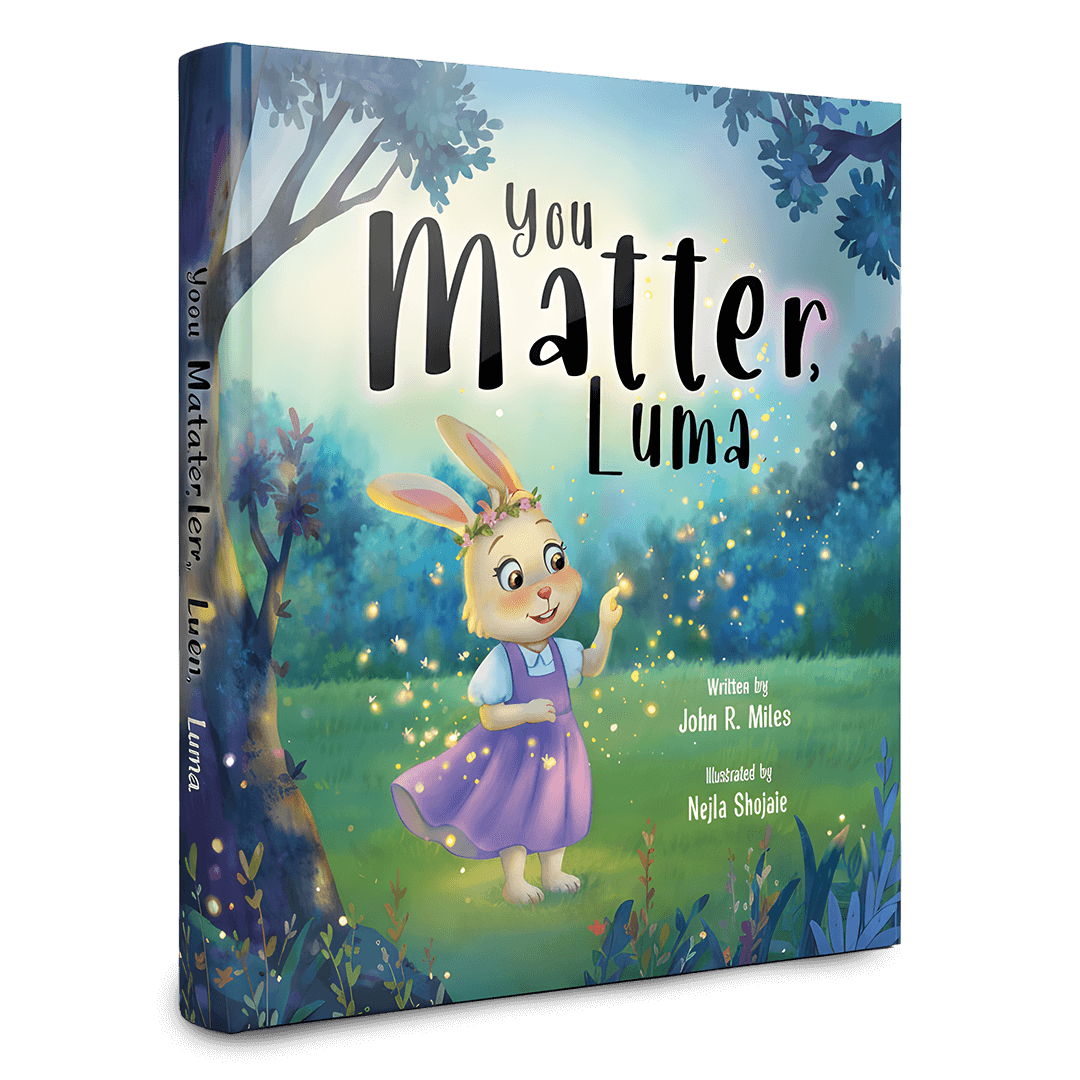
In today?s diverse world, fostering a sense of belonging and self-worth in children is becoming increasingly vital. Books themed around belonging are instrumental in this endeavor. These narratives provide children with examples of empathy, inclusion, and personal growth. By exploring themes of identity and acceptance, they equip young readers with the tools to appreciate their uniqueness while understanding the value of community. Integrating belonging-themed books into a child?s reading list can significantly enhance their emotional development, making them more resilient and socially adept.
Understanding the Importance of Belonging
Belonging is a fundamental human need that significantly impacts a child’s mental and emotional wellbeing. Books that emphasize this theme can help children:
- Understand and embrace their identity.
- Develop empathy and respect for others.
- Navigate social dynamics with confidence.
- Build a strong sense of community and mutual respect.
Through engaging narratives, children learn the critical skills of empathy, which are essential for healthy social interactions. To delve deeper into developing these skills, find out more about this approach.
Key Elements of Belonging-Themed Books
Character Development
Belonging-themed books often feature characters who undergo significant personal growth. These characters typically start as outsiders or individuals struggling with self-acceptance. As the story unfolds, they learn to embrace their uniqueness and find their place within their community.
The journey of these characters can serve as powerful mirrors for young readers, helping them to see their own challenges and triumphs reflected in the stories. For further reading on character-driven narratives, explore advanced guides and tips.
Inclusive Storylines
Inclusion is a cornerstone of belonging-themed literature. These books often showcase diverse cultures, backgrounds, and perspectives, encouraging children to appreciate differences and connect with those who might initially seem different from themselves. This exposure helps cultivate open-mindedness and acceptance.
Including diverse narratives in children’s literature not only broadens their worldview but also builds a more inclusive society. To see how literature can be a tool for inclusivity, discover expert strategies here.
Benefits of Reading Belonging-Themed Books
Regular engagement with belonging-themed books can have profound impacts on a child, including:
- Increased self-esteem and confidence.
- Improved social skills and peer interactions.
- Enhanced emotional intelligence and empathy.
- A deeper understanding of community and cooperation.
By integrating these books into their reading habits, children are better prepared to navigate the complexities of social life. For more insights into the benefits of belonging-themed literature, learn about our tailored solutions.
Implementing Belonging Themes in Educational Settings
Educators and parents play a crucial role in selecting and presenting belonging-themed books to children. Here are some strategies for effective implementation:
- Select books that reflect the diversity of the classroom or community.
- Create discussion groups where children can share their thoughts and feelings about the stories.
- Incorporate activities that parallel the themes of the books, such as role-playing or art projects.
- Encourage children to write their own stories about belonging and inclusion.
These strategies not only make reading a more interactive experience but also reinforce the themes of the books in practical ways. To see how these can be applied in educational settings, explore advanced guides and tips.
Ultimately, belonging-themed books are invaluable resources in nurturing well-rounded, empathetic, and confident children. By prioritizing these themes, educators and parents can ensure that children grow up with a strong sense of self-worth and an appreciation for the world around them. For more resources on fostering a child’s development through literature, discover expert strategies here.
