
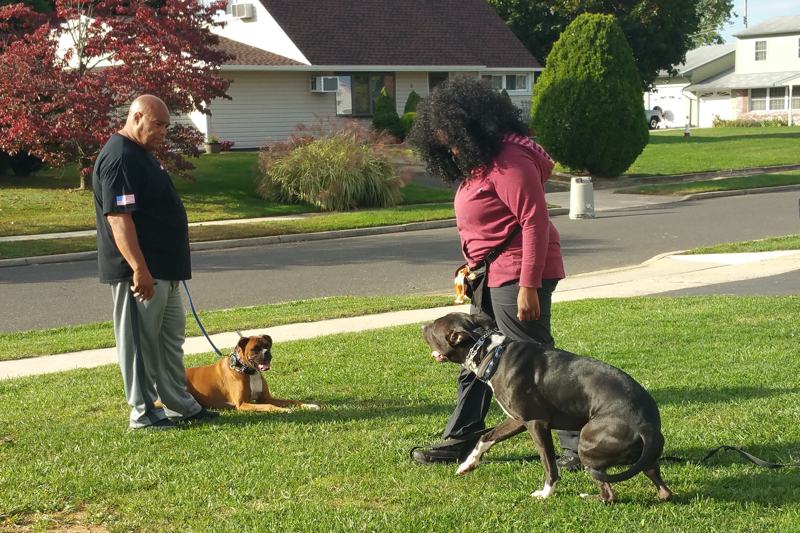
Dog training is an essential aspect of pet ownership that ensures a harmonious relationship between the animal and its owner. Effective behavior modification is a crucial component of dog training, helping to address behavioral issues and reinforce positive actions. By utilizing proven methods and techniques, dog owners can cultivate a well-behaved, obedient, and happy companion. This article discusses the principles of behavior modification in dog training, offering insights and strategies to help dog owners achieve successful outcomes.
Understanding Behavior Modification
Behavior modification involves techniques used to alter an animal’s behavior through positive or negative reinforcement. In dog training, the goal is often to replace undesirable behaviors with desirable ones. This can be achieved through consistent practice, patience, and understanding of the dog’s needs and motivations.
The Basics of Reinforcement
Reinforcement is a cornerstone of behavior modification. It strengthens desired behaviors by providing a reward (positive reinforcement) or removing an unpleasant stimulus (negative reinforcement) when the desired behavior occurs.
- Positive Reinforcement: Involves rewarding the dog with treats, praise, or playtime when it performs a desired action. This encourages the dog to repeat the behavior.
- Negative Reinforcement: Involves removing an unpleasant factor when the dog performs the desired behavior, thus reinforcing the action.
To discover expert strategies for applying these concepts effectively, visit this resource.
Common Techniques in Behavior Modification
Clicker Training
Clicker training is a popular method that uses a clicking sound to mark the desired behavior. The click is followed by a reward, creating a clear association between the click and the positive behavior.
- Helps in quick learning due to the immediate feedback.
- Establishes a strong communication channel between the trainer and the dog.
Explore advanced guides and tips about clicker training here.
Desensitization and Counterconditioning
These techniques are particularly useful for addressing fears and anxieties in dogs. Desensitization involves gradually exposing the dog to the fear-inducing stimulus at a low intensity, while counterconditioning pairs the stimulus with a positive experience.
- Effective for reducing anxiety and fear responses.
- Requires patience and consistency to achieve successful results.
For more detailed information about these approaches, learn about our tailored solutions.
Implementing a Behavior Modification Plan
Creating an effective behavior modification plan involves several key steps. Each step should be carefully planned and executed to ensure the best outcomes for the dog.
Identify the Problem Behavior
Begin by identifying the specific behavior that needs modification. This could range from excessive barking to aggression or fearfulness.
Set Clear Goals
Establish clear, achievable goals for the behavior modification process. This could involve reducing the frequency of the problem behavior or eliminating it altogether.
Choose Appropriate Techniques
Select techniques that are most suitable for addressing the identified behavior. Consider the dog’s personality, the severity of the behavior, and the environment.
To find out more about this approach and how to customize it for individual dogs, visit this page.
Monitor Progress
Regularly monitor the dog’s progress, making adjustments to the plan as needed. Consistent tracking helps to determine which techniques are effective and which need refinement.
Conclusion
Effective behavior modification in dog training is a valuable process that enhances the relationship between dogs and their owners. By understanding and implementing proven techniques, dog owners can successfully address problematic behaviors and foster a positive, rewarding environment for their pets. For those seeking more in-depth resources and support, explore more options available through expert guidance and tailored solutions.
