
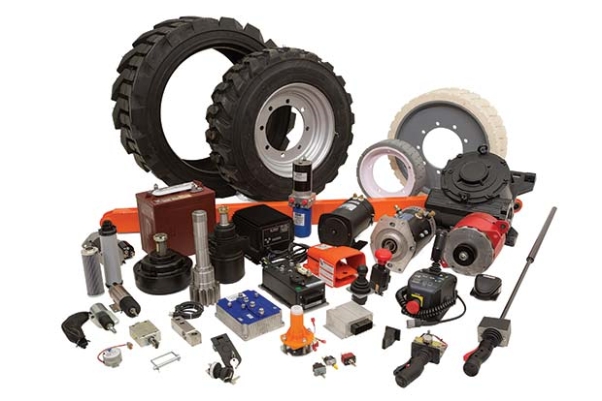
In any bustling industrial environment, the use of forklifts is indispensable for enhancing productivity and efficiency. However, with their significant benefits come potential risks. Ensuring a secure workplace necessitates the integration of reliable safety accessories tailored to forklift operations. By employing essential accessories, businesses can mitigate hazards, protecting both personnel and equipment. This article discusses critical forklift safety accessories, emphasizing their roles in maintaining an accident-free environment.
Importance of Forklift Safety Accessories
Forklift safety accessories are crucial elements in promoting a safe working environment. They help in preventing accidents, reducing downtime, and ensuring compliance with safety standards. By investing in quality accessories, companies can safeguard their workforce and assets.
Key Safety Accessories
To foster a secure workplace, consider implementing the following essential forklift safety accessories:
- Rearview Mirrors: Improve visibility and reduce blind spots, allowing operators to be aware of their surroundings.
- Seat Belts: A fundamental safety feature that prevents injuries during sudden stops or collisions.
- Backup Alarms: Warn nearby workers of an approaching forklift, reducing the risk of accidents in busy areas.
- Lighting Systems: Ensure clear visibility in dimly lit areas, enhancing operational safety.
- Fire Extinguishers: Essential for addressing potential fire hazards promptly.
For businesses seeking to enhance their safety protocols, it’s crucial to keep abreast of the latest safety solutions and technologies. Discover expert strategies here.
Advanced Collision Avoidance Systems
Modern collision avoidance systems have revolutionized forklift safety. These systems utilize advanced technologies to prevent accidents and improve efficiency. Key features include:
- Proximity Sensors: Detect nearby objects and alert operators to potential collisions.
- Camera Systems: Provide real-time visual feedback, aiding in safe navigation.
- Automatic Braking Systems: Engage brakes automatically when a collision is imminent, minimizing impact.
Integrating these advanced systems can significantly reduce the likelihood of workplace accidents. Learn about our tailored solutions.
Implementing Effective Safety Training
While safety accessories are vital, training operators on their proper use and maintenance is equally important. Comprehensive training programs should cover:
- Correct Use of Accessories: Ensuring that operators know how to effectively utilize each safety feature.
- Regular Maintenance Checks: Identifying potential faults in safety equipment to prevent malfunctions.
- Emergency Procedures: Preparing operators to respond swiftly in case of an accident.
By integrating thorough training initiatives with top-notch safety accessories, companies can foster a culture of safety. Explore advanced guides and tips.
Regular Maintenance and Inspections
Maintaining forklift safety accessories is as crucial as their installation. Regular inspections help in identifying wear and tear, ensuring that all components function optimally. Key maintenance practices include:
- Scheduled Inspections: Routine checks to assess the condition of accessories.
- Immediate Repairs: Addressing any identified issues promptly to prevent further complications.
- Documentation: Keeping detailed records of maintenance activities to track the performance and lifespan of safety accessories.
For those aiming to uphold high safety standards, consistent maintenance is non-negotiable. Find out more about this approach.
In conclusion, the integration of essential forklift safety accessories, coupled with effective training and maintenance, is paramount to ensuring a secure workplace. By prioritizing these elements, businesses can not only protect their workforce but also enhance overall operational efficiency. The commitment to safety is a continuous journey that requires attention, diligence, and the right resources.
