
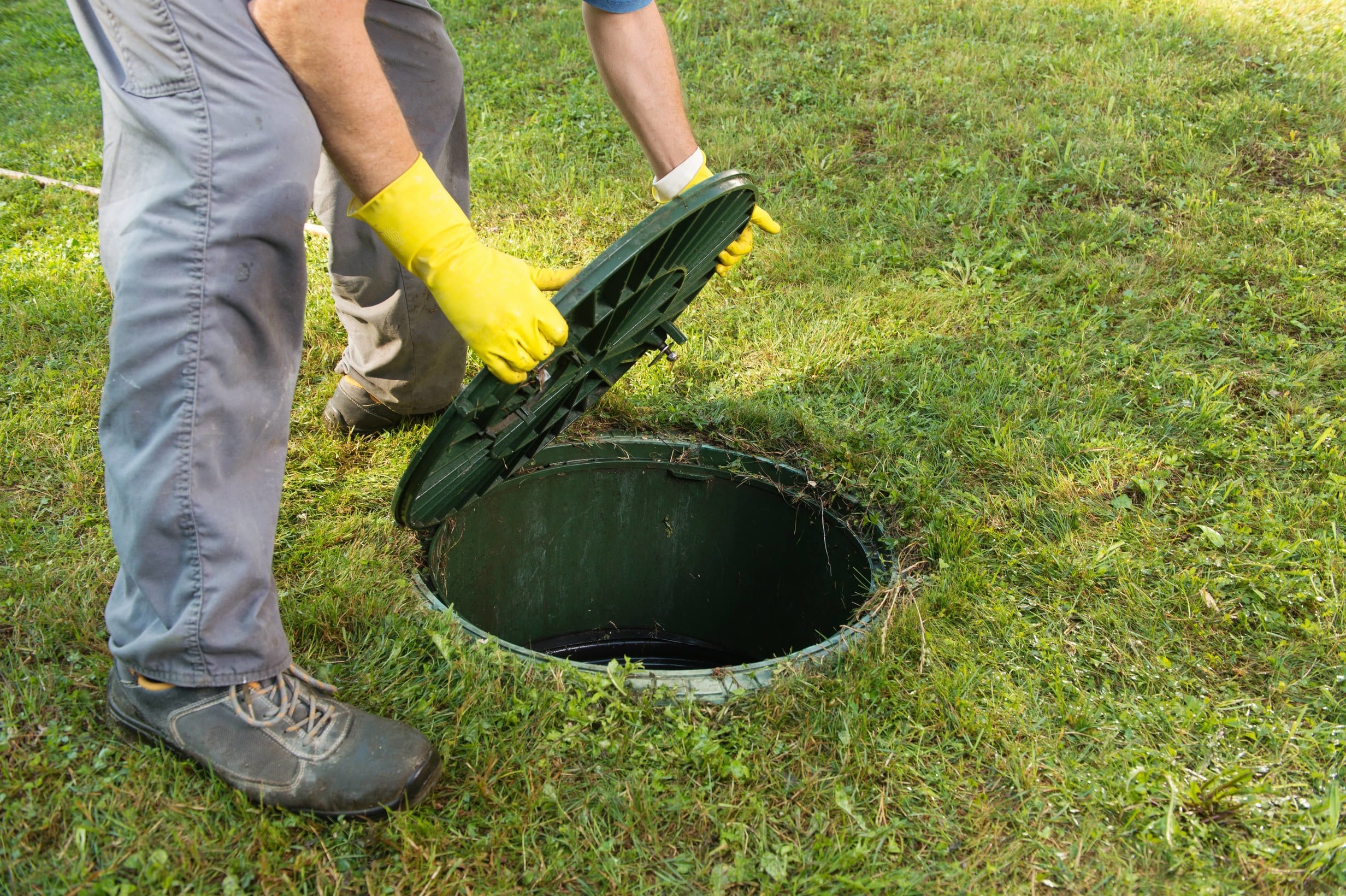
Buying a home with a septic system involves a unique set of considerations that potential homeowners must navigate. A septic home inspection is a critical step in ensuring the longevity and efficiency of the system. This process can help identify potential issues, thereby saving homeowners from future costly repairs. With expert tips and guidance, the septic home inspection process can be both thorough and seamless, offering peace of mind for all parties involved.
Understanding the Importance of a Septic Home Inspection
Before diving into the inspection process, it is essential to understand why a septic home inspection is crucial. A septic system is an integral part of a home’s infrastructure, particularly in rural areas where municipal sewage systems are not available. An inspection ensures the system is functioning correctly and can handle the household’s wastewater needs.
Key Benefits of a Septic Inspection
- Identifies existing or potential problems early on, preventing costly repairs.
- Ensures the septic system is compliant with local health regulations.
- Provides peace of mind to both buyers and sellers in the real estate transaction.
- Can reveal the need for immediate maintenance or upgrades.
Steps in the Septic Home Inspection Process
Understanding the steps involved in a septic inspection can demystify the process and help homeowners prepare adequately. Here are the typical stages:
1. Initial Consultation and Documentation Review
The inspector will often begin with a consultation to understand the system’s history and review any available documentation. This may include previous inspection reports, maintenance records, and installation details.
2. Visual Inspection
A visual inspection of the septic system includes examining the tank, distribution box, and drain field. The inspector checks for signs of wear, damage, or leaks that could indicate the need for repairs.
3. Flow Test and System Performance Evaluation
A flow test evaluates the system’s capacity to handle wastewater. Inspectors run water through the system to observe its performance and identify any blockages or inefficiencies.
4. Detailed Report and Recommendations
After completing the inspection, a detailed report is provided, outlining the system’s condition and any necessary actions. This report can be a valuable resource for homeowners planning maintenance or upgrades.
Expert Tips for a Successful Inspection
Following expert advice can ensure a seamless inspection process. Here are some tips:
- Schedule the inspection early in the home buying process to allow time for potential repairs.
- Ensure the inspector is certified and experienced with septic systems.
- Be present during the inspection to ask questions and gain a better understanding of the system’s condition.
- Regular maintenance, such as pumping the tank every 3-5 years, can prevent issues.
What to Do After the Inspection
Post-inspection, homeowners should review the findings and take necessary actions based on the recommendations. This might involve hiring professionals for repairs or planning regular maintenance tasks. For more insights on maintaining a healthy septic system, explore further resources available online.
It’s also beneficial to look at feedback from previous clients to understand the effectiveness of the inspection services provided. See what others are saying about us and gain confidence in the inspection process through real customer reviews.
In conclusion, a thorough septic home inspection is indispensable for homeowners looking to safeguard their investment. By understanding the process, leveraging expert tips, and taking proactive steps, homeowners can ensure their septic systems remain functional and efficient for years to come.
