
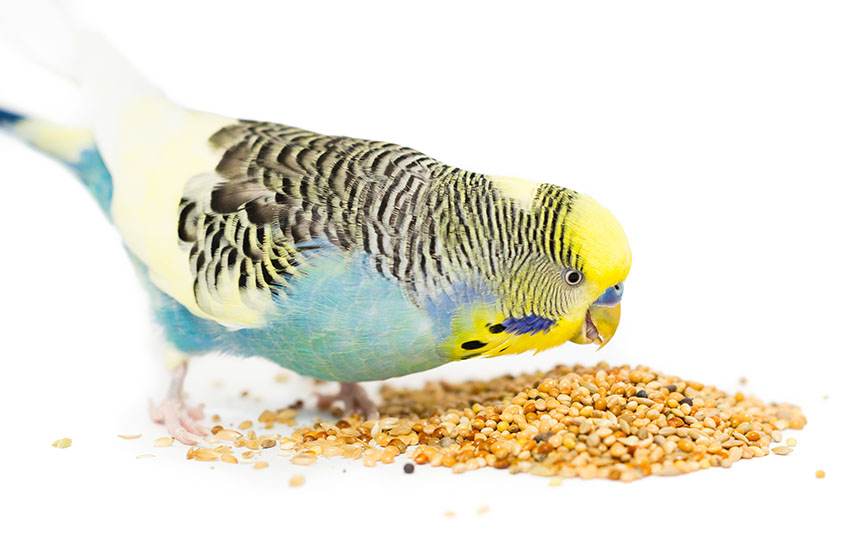
Parrots are vibrant and intelligent creatures that thrive on a varied and balanced diet. Feeding parrots the right foods not only ensures their physical health but also enhances their mental well-being. Understanding what to feed parrots can be complex, given their diverse dietary needs. This article delves into the best foods for parrots, offering insights that can help ensure these feathered companions lead a healthy and fulfilling life.
The Importance of a Balanced Diet
A balanced diet is crucial for parrots as it aids in maintaining their energy levels, supports their immune system, and keeps their feathers vibrant and shiny. A well-rounded diet should include a variety of nutrients that mimic their natural food sources.
Key Nutritional Components
- Proteins: Essential for muscle development and overall health. Sources include beans, nuts, and lean meats.
- Carbohydrates: Provide energy. Include grains such as oats and brown rice.
- Fats: Necessary for energy and vitamin absorption. Healthy fats can be found in seeds and nuts.
- Vitamins and Minerals: Crucial for various body functions. Fresh fruits and vegetables are excellent sources.
Recommended Foods for Parrots
Parrots thrive on a rich diet that includes a mix of seeds, nuts, fruits, vegetables, and specially formulated pellets. Here are some top recommendations:
Seeds and Nuts
Seeds and nuts are a staple in a parrot’s diet, providing essential fats and proteins. However, they should be offered in moderation to prevent obesity. For more detailed guidance on incorporating seeds and nuts into a parrot’s diet, discover expert strategies here.
Fruits and Vegetables
Fresh fruits and vegetables are vital for providing vitamins and minerals. Some of the best options include:
- Apples: Remove the seeds and core before serving.
- Carrots: Rich in beta-carotene and fiber.
- Broccoli: Offers calcium and vitamin K.
- Bananas: A good source of potassium.
For a comprehensive list of suitable fruits and vegetables, explore advanced guides and tips.
Pellets
Commercially formulated pellets are designed to provide a balanced diet in a convenient form. They help ensure that parrots receive all necessary nutrients. Pellets should make up about 50-70% of a parrot’s diet. Learn about our tailored solutions for selecting the best pellets for your parrot.
Foods to Avoid
While many foods are beneficial, there are certain items that should be avoided to prevent health issues:
- Chocolate: Toxic to parrots.
- Avocado: Contains persin, which can be harmful.
- Caffeine: Can lead to cardiac malfunction.
- Alcohol: Harmful to their health.
- High-fat, salty, and sugary foods: Can lead to obesity and other health problems.
For a more detailed list of foods to avoid, find out more about this approach.
Conclusion
Feeding a parrot the right diet is essential for their health and happiness. By providing a diverse array of foods, owners can ensure their parrots receive all necessary nutrients while also enriching their lives. Understanding the dietary needs of parrots and avoiding harmful foods are crucial steps in ensuring these intelligent birds thrive. For more in-depth information and product options, consider visiting specialized resources like Birdsprees.
