
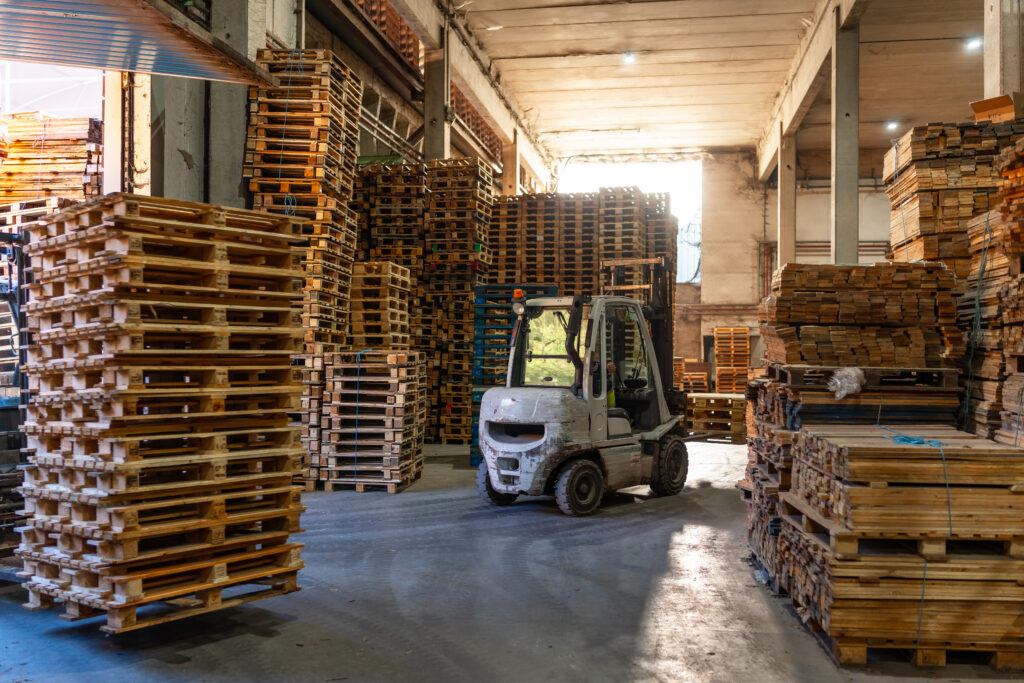
In the world of logistics and supply chain management, pallets play a crucial role in the efficient handling, storage, and transportation of goods. Choosing the right pallet size can significantly influence the efficiency of operations across various industries. Understanding the standard pallet sizes and their applications helps businesses streamline their processes and reduce costs. This article delves into the intricacies of pallet sizes tailored for diverse sectors, helping businesses make informed decisions.
Understanding Standard Pallet Sizes
Pallets come in various sizes and specifications, designed to meet the specific needs of different industries. The most commonly used standard pallet sizes globally include:
- 48 x 40 inches: Predominantly used in North America, widely recognized as the industry standard.
- 1200 x 1000 mm: Popular in Europe and Asia, catering to a diverse range of industries.
- 1165 x 1165 mm: Often used in Australia, particularly in the grocery sector.
These sizes are designed to maximize space utilization and are compatible with various handling equipment. To discover expert strategies here, visit the comprehensive resource on pallet sizes.
Industry-Specific Pallet Requirements
Retail and Wholesale
The retail sector often relies on the 48 x 40 inches pallet due to its compatibility with standard racking systems and its ability to accommodate a wide range of goods. Retailers benefit from:
- Ease of handling and maneuverability in warehouses.
- Cost efficiency in transportation and storage.
Learn about our tailored solutions to optimize pallet usage in retail environments here.
Pharmaceuticals
The pharmaceutical industry requires pallets that adhere to strict hygiene and safety standards. Plastic pallets are often preferred due to their non-porous nature and ease of cleaning. Key considerations include:
- Compliance with health regulations.
- Resistance to contamination and easy sanitization.
Find out more about this approach in managing pharmaceutical logistics by visiting this link.
Food and Beverage
For the food and beverage sector, pallets must meet stringent health and safety requirements. Wooden pallets are often treated to prevent contamination. Key benefits include:
- Durability and ability to withstand heavy loads.
- Flexibility for both dry and perishable goods.
Explore advanced guides and tips on selecting the right pallets for food industries here.
Choosing the Right Pallet Material
Pallets can be manufactured from various materials, each offering distinct advantages. Common materials include:
- Wood: Economical and widely used, suitable for a variety of industries.
- Plastic: Ideal for sensitive environments, such as pharmaceuticals and food.
- Metal: Durable and used in heavy-duty applications.
Understanding the material properties is crucial for making the right choice. Learn about our tailored solutions to determine the best material for your needs.
Conclusion
Choosing the right pallet size and material is vital for optimizing logistics and ensuring smooth operations across industries. By understanding the specific requirements of each sector, businesses can enhance efficiency and reduce costs. For more insights and detailed guidance, explore advanced guides and tips available on the website.
