
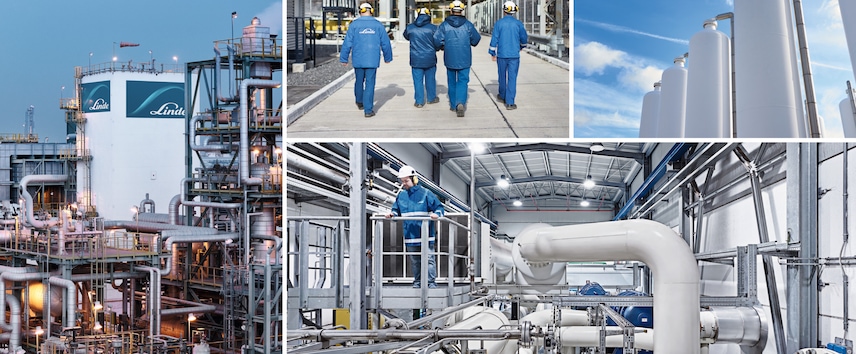
The urgent need to address climate change has placed a spotlight on technologies that can mitigate greenhouse gas emissions. Among these, industrial carbon capture and storage (CCS) has emerged as a critical solution. Carbon capture plants are designed to capture carbon dioxide emissions from industrial processes and prevent them from entering the atmosphere. These advanced facilities not only help in reducing emissions but also enable the utilization of captured CO2 for various industrial applications. As global efforts intensify to reach carbon neutrality, understanding the role and functionality of these plants becomes increasingly important.
The Role of Carbon Capture Plants
Carbon capture plants are pivotal in the fight against climate change. They serve several essential functions:
- Capturing carbon dioxide from industrial processes including power generation, cement production, and chemical manufacturing.
- Reducing the carbon footprint of industries by preventing CO2 from being released into the atmosphere.
- Providing a source of CO2 for utilization in other industrial processes, thereby creating a circular carbon economy.
These plants play a significant role in achieving international climate targets by integrating with existing infrastructure and utilizing advanced capture technologies. Explore further insights here.
Technologies Used in Carbon Capture
Carbon capture technology has evolved significantly, employing various methods to capture CO2 efficiently. Key technologies include:
Pre-Combustion Capture
This method involves removing carbon dioxide before the combustion process. It is commonly used in integrated gasification combined cycle (IGCC) plants where fossil fuels are converted into gas. The CO2 is then separated before the fuel is burned. Learn more in this detailed guide.
Post-Combustion Capture
In post-combustion capture, CO2 is removed from the exhaust gases after the fossil fuel is burned. This method is especially useful for retrofitting existing power plants. Chemical solvents are often used to absorb CO2 from the flue gases. Read more about this topic.
Oxy-Fuel Combustion
Oxy-fuel combustion technology involves burning fuel in oxygen instead of air, producing a flue gas that is primarily water vapor and CO2. By condensing the water vapor, nearly pure CO2 can be captured easily. This technique is gaining traction due to its high efficiency.
Benefits and Challenges
While carbon capture plants offer numerous benefits, they also face certain challenges:
Benefits
- Significantly reduce greenhouse gas emissions, contributing to climate change mitigation.
- Enhance energy security by allowing the continued use of fossil fuels while reducing environmental impact.
- Provide economic opportunities through the development of new industries around CO2 utilization.
Challenges
- High costs associated with the capture and storage processes.
- Technical challenges related to the integration of capture technology with existing industrial systems.
- Public perception and regulatory hurdles that may impede widespread adoption.
Find additional information on these challenges here.
The Future of Carbon Capture
The future of carbon capture is promising, with ongoing research and development focused on reducing costs and improving efficiency. Governments and industries worldwide are investing in CCS projects, recognizing their potential to help achieve net-zero emissions targets. As these technologies continue to evolve, carbon capture plants will become an integral part of the global strategy to combat climate change and move towards a sustainable future.
