
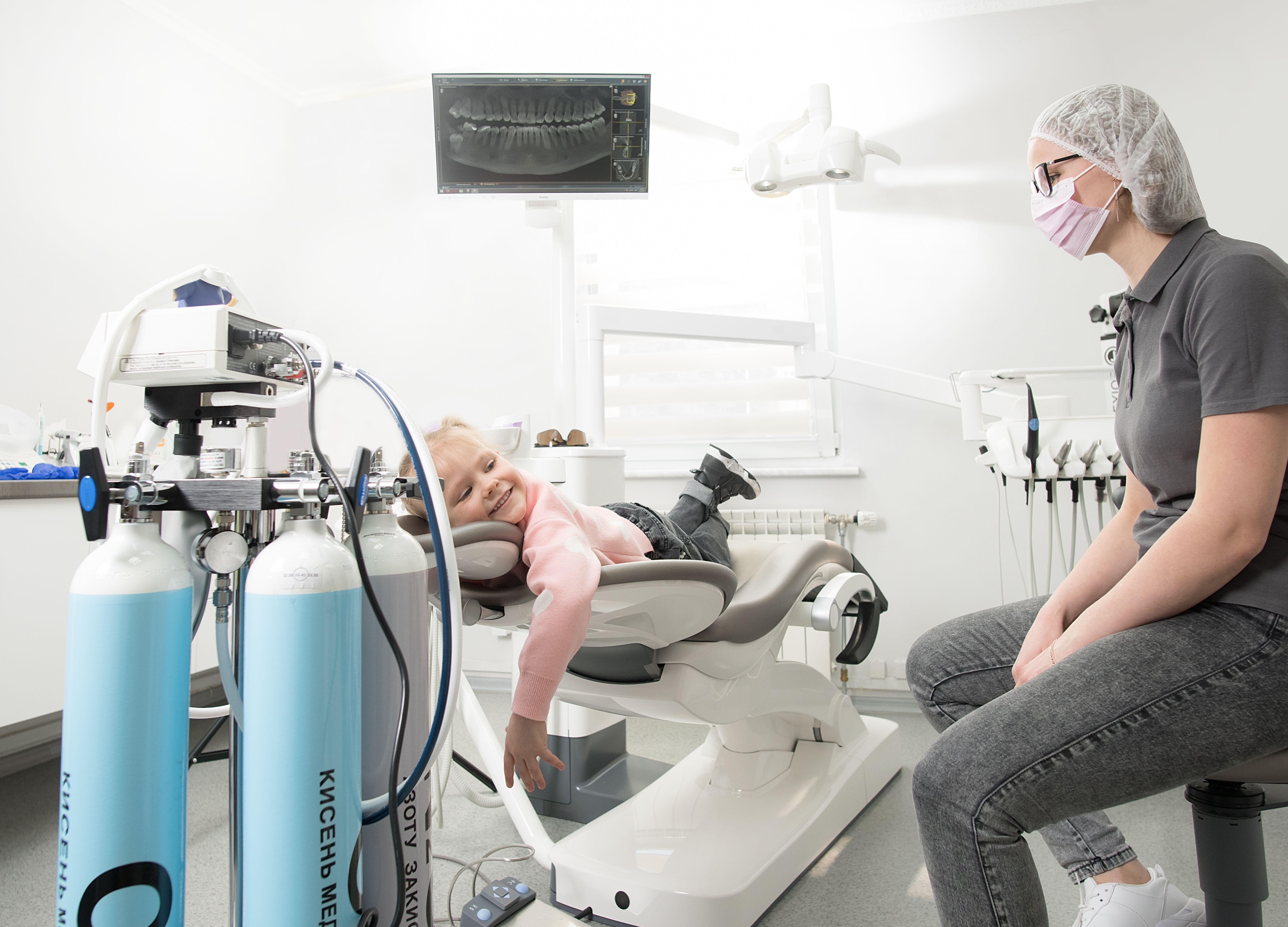
Holistic pediatric dentistry is an emerging field that emphasizes a comprehensive approach to oral health care for children. Unlike traditional dentistry, which primarily focuses on treating dental issues as they arise, holistic dentistry considers the overall well-being of the child, including physical, emotional, and mental health. This approach recognizes the interconnectedness of oral health with the rest of the body and aims to prevent dental problems by promoting healthy lifestyles and natural remedies. By adopting a holistic approach, pediatric dentists can provide more personalized care that addresses the unique needs of each child, fostering a positive attitude towards dental health from an early age.
Core Principles of Holistic Pediatric Dentistry
Holistic pediatric dentistry revolves around several key principles that distinguish it from conventional practices:
- Prevention First: The focus is on preventing dental issues before they occur. This involves educating children and parents about good oral hygiene practices, proper nutrition, and the impact of lifestyle choices on dental health.
- Natural Remedies: Preference is given to natural and minimally invasive treatments whenever possible. This includes the use of non-toxic materials in dental procedures.
- Whole-Body Health: Recognizing the link between oral health and overall health, this approach considers factors such as diet, stress, and sleep, which can affect both oral and general well-being.
Read more about this topic to understand the full scope of holistic practices in pediatric dentistry. (https://burbankkidsdentalcorner.info/)
Benefits of Holistic Pediatric Dentistry
Adopting a holistic approach to pediatric dentistry offers numerous benefits, both short-term and long-term:
Promotes Long-Term Health
- Reduces the risk of chronic diseases related to poor oral health, such as diabetes and heart disease.
- Encourages lifelong healthy habits, contributing to better overall health.
Reduces Anxiety and Fear
- Focuses on creating a stress-free dental environment, which helps reduce dental anxiety in children.
- Utilizes child-friendly techniques and communication to make dental visits a positive experience.
Learn more in this detailed guide about the extensive benefits of a holistic approach in pediatric dentistry. (https://burbankkidsdentalcorner.info/)
Integrative Treatment Options
Holistic pediatric dentists often incorporate a variety of integrative treatment options that cater to the overall health of the child:
- Dietary Counseling: Providing guidance on nutrition that supports oral and overall health.
- Homeopathic Remedies: Utilizing natural therapies to prevent or treat dental conditions.
- Biocompatible Materials: Using materials that are safe and non-toxic for dental fillings and restorations.
Explore further insights here on the various integrative treatment options available in holistic pediatric dentistry. (https://burbankkidsdentalcorner.info/)
Parental Involvement in Holistic Dental Care
Parental involvement is a significant aspect of holistic pediatric dentistry. Parents play a crucial role in establishing and maintaining healthy dental habits for their children. Holistic dentists often work closely with parents to:
- Educate them about the importance of regular dental check-ups and cleanings.
- Provide tips and resources for maintaining oral health at home.
- Encourage a balanced diet that supports dental health.
Find additional information here on how parents can actively participate in their child’s holistic dental care journey. (https://burbankkidsdentalcorner.info/)
Conclusion
Holistic pediatric dentistry represents a paradigm shift in dental care, where the focus is on the whole child rather than just their teeth. By considering the interplay between oral health and overall health, this approach aims to foster healthier, happier children. Families seeking a more comprehensive and natural approach to dental care will find holistic pediatric dentistry to be a valuable option. As awareness and demand for holistic practices continue to grow, more dental professionals are adopting these methods to enhance the quality of care provided to young patients.
