
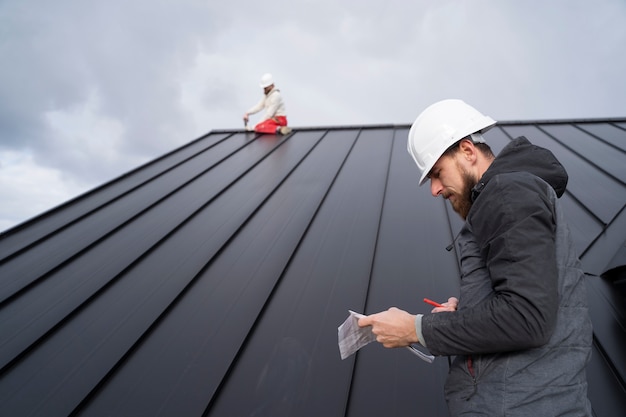
Ensuring the safety and integrity of one’s home is a top priority for homeowners. One critical component of home maintenance that often goes overlooked is routine roof inspections. These inspections play a pivotal role in identifying potential issues before they escalate into costly and hazardous problems. Regular roof assessments not only safeguard the home’s structural integrity but also contribute to the well-being of its inhabitants by preventing leaks, mold growth, and other related issues. By understanding the importance of routine roof inspections, homeowners can take proactive steps to maintain a safe and secure living environment.
The Importance of Routine Roof Inspections
Roof inspections are an essential aspect of home maintenance, offering numerous benefits such as:
- Identifying Damage Early: Routine inspections help spot minor issues like cracked shingles or loose tiles before they develop into significant damage.
- Extending Roof Lifespan: Regular maintenance can significantly extend the life of a roof, saving homeowners from premature replacements.
- Preventing Leaks: Early detection of potential leak sources helps prevent water damage to the interior of the home.
- Ensuring Safety: Identifying structural weaknesses ensures the roof can withstand severe weather conditions.
To explore advanced guides and tips on maintaining roof integrity, click here.
What to Expect During a Roof Inspection
Exterior Examination
The exterior inspection involves a thorough examination of the roof’s surface, checking for:
- Shingles: Inspecting for missing, curling, or damaged shingles.
- Flashing: Ensuring metal flashing around chimneys, vents, and skylights is intact.
- Gutters: Checking for debris buildup that could affect water drainage.
Learn about our tailored solutions for effective roof inspections by visiting this page.
Interior Inspection
The interior inspection focuses on the attic and other accessible areas to identify:
- Water Stains: Checking for signs of water intrusion or mold growth.
- Insulation: Evaluating insulation for moisture or damage.
- Structural Integrity: Assessing the overall condition of the roof decking and trusses.
Discover expert strategies for thorough roof inspections here.
Signs Your Roof Needs an Inspection
Homeowners should be aware of the common signs indicating the need for a roof inspection, such as:
- Age of the Roof: Roofs over 15-20 years old may require more frequent inspections.
- Visible Damage: Missing or damaged shingles are a clear indication that an inspection is necessary.
- Water Leaks: Signs of leaks inside the home should prompt immediate inspection.
- Storm Damage: After severe weather events, an inspection can assess any new damage.
Find out more about this approach to roof maintenance by clicking here. Additionally, homeowners can check out customer reviews here to see what others are saying about us.
Conclusion
Routine roof inspections are a crucial investment in the safety and longevity of a home. By identifying issues early, homeowners can avoid costly repairs and ensure their family’s safety. Whether it involves checking for storm damage, assessing the roof’s age, or addressing visible signs of wear, regular inspections are indispensable. Explore more on these preventive measures to maximize your home’s safety and maintain its value. Regular attention to roof health not only enhances the home’s lifespan but also provides peace of mind for its residents.
