
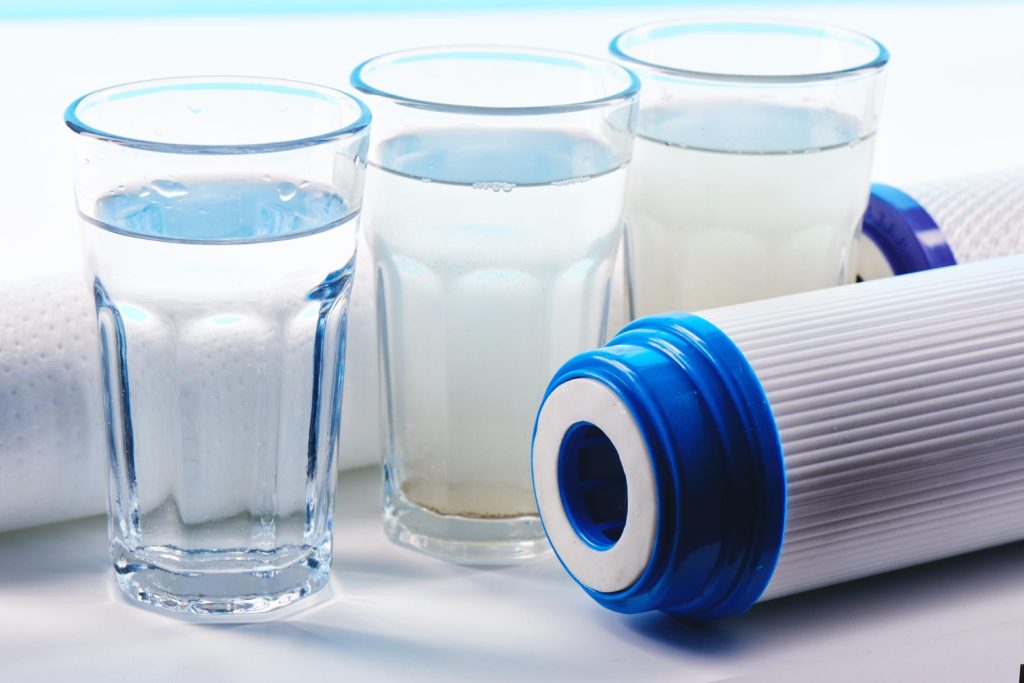
In the quest for purified water, consumers are often faced with the decision between Reverse Osmosis (RO) water systems and traditional filtration methods. Both approaches have their own merits and applications, but understanding the differences can guide individuals and businesses toward making informed choices about their water purification needs. This article delves into the nuances of both systems, offering insights into their effectiveness, benefits, and potential drawbacks.
Understanding Reverse Osmosis Systems
Reverse Osmosis is a sophisticated filtration process that involves forcing water through a semi-permeable membrane to remove impurities. This method is renowned for its ability to eliminate a wide array of contaminants, including:
- Dissolved salts and minerals
- Bacteria and viruses
- Pesticides and herbicides
- Chemicals and heavy metals
- Sediments and particulates
The effectiveness of RO systems in purifying water has made them a favored choice for households and industries seeking high-quality water solutions. For those interested in tailored solutions to meet specific water quality requirements, learn about our tailored solutions for integrating RO systems into various environments.
Comparing Traditional Filtration Methods
Traditional water filtration methods encompass a range of technologies, each with its own filtration mechanisms and purposes. Common traditional methods include:
- Activated carbon filters
- Ion exchange systems
- Mechanical filters
- Ultraviolet (UV) disinfection
Activated Carbon Filters
Activated carbon filters are widely used due to their ability to effectively remove organic compounds, chlorine, and odors. They work by absorbing contaminants as water passes through carbon granules.
Ion Exchange Systems
These systems are particularly effective in softening water by replacing calcium and magnesium ions with sodium or potassium ions. They are commonly used in areas with hard water issues.
Mechanical Filters
Mechanical filters act as physical barriers, capturing particles such as sand, silt, and rust. These are often used as pre-filters in conjunction with other filtration methods.
Ultraviolet (UV) Disinfection
UV disinfection systems use ultraviolet light to inactivate microorganisms, providing an effective non-chemical means of sterilizing water.
The choice between these methods depends on specific water quality issues. For those looking to explore advanced guides and tips on traditional filtration, explore advanced guides and tips tailored to different needs and applications.
Key Differences and Considerations
When comparing RO systems to traditional filtration methods, several factors come into play:
- Effectiveness: Reverse Osmosis systems generally provide a more comprehensive purification, removing up to 99% of contaminants. Traditional methods might target specific impurities but may not offer the same breadth of purification.
- Cost: While RO systems can be more expensive initially, they often prove cost-effective over time due to their longevity and comprehensive purification capability.
- Maintenance: Traditional filtration systems may require more frequent maintenance or replacement of filters, whereas RO systems, despite needing membrane checks, often require less frequent attention.
- Water Waste: RO systems, by nature, produce wastewater during the purification process. This is an essential consideration for environmentally conscious users.
To discover expert strategies for implementing these systems in various settings, discover expert strategies here for optimizing both RO and traditional filtration methods.
Conclusion
Choosing between Reverse Osmosis water systems and traditional filtration methods ultimately depends on specific water quality needs and personal preferences. Both systems have their advantages and can be tailored to address unique water purification challenges. For those seeking detailed insights and comprehensive solutions, find out more about this approach to ensure the highest standards of water purification are met.
