
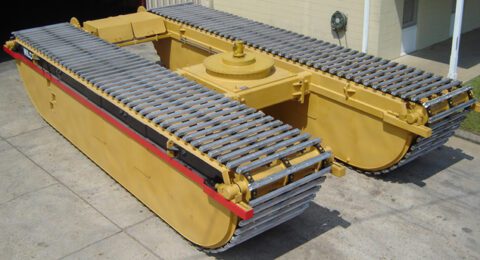
The manufacturing of amphibious equipment represents a specialized field within the broader construction and industrial machinery industry. This domain focuses on producing machinery that operates efficiently on both land and water. These versatile machines are vital in projects that involve swampy or flooded terrains, enabling construction activities in otherwise inaccessible areas. The intricate design and robust functionality of amphibious equipment underscore the importance of precision engineering and innovative manufacturing techniques. This guide delves into the essential aspects of amphibious equipment manufacturing, exploring the key processes, challenges, and considerations involved in creating these indispensable machines.
The Core Principles of Amphibious Equipment Manufacturing
Amphibious equipment manufacturing relies on several foundational principles to ensure the functionality and reliability of the machinery.
- Adaptability: The equipment must seamlessly transition between terrestrial and aquatic environments. This requires meticulous design and engineering to maintain balance and control in diverse conditions.
- Durability: Machines are often exposed to harsh conditions, including water exposure and rugged terrain. Materials and components must be selected for their strength and resistance to corrosion.
- Efficiency: Energy-efficient designs are crucial to maximizing operational time and minimizing environmental impact. Discover expert strategies here.
Design and Engineering Considerations
The design phase is critical in amphibious equipment manufacturing, requiring a precise understanding of the intended operational environment and the specific tasks the equipment will perform.
Key Design Factors
- Hydrodynamic Shape: The shape of the equipment must reduce water resistance and facilitate smooth movement across water surfaces.
- Sealing and Waterproofing: Ensuring that all components are adequately sealed prevents water ingress, which is crucial for the reliability and longevity of the equipment.
- Weight Distribution: Proper weight distribution is necessary to maintain balance and stability, particularly when transitioning between land and water.
To learn more about tailored solutions in amphibious equipment design, learn about our tailored solutions.
Manufacturing Processes
Advanced manufacturing processes are employed to produce amphibious equipment, incorporating state-of-the-art technology and materials.
Fabrication Techniques
- Precision Welding: Ensures the structural integrity of the equipment, allowing it to withstand the stresses of operation in challenging environments.
- CNC Machining: Provides the high level of accuracy needed for producing complex parts that fit together perfectly, ensuring seamless operation.
- Quality Control: Rigorous testing and quality assurance protocols are vital to ensure each machine meets the highest standards. Explore advanced guides and tips for quality assurance.
Challenges in Amphibious Equipment Manufacturing
Manufacturers face numerous challenges in producing reliable and efficient amphibious equipment.
- Environmental Impact: Ensuring that the machinery minimizes environmental disruption is a critical concern, requiring careful material selection and design considerations.
- Technological Integration: Incorporating the latest technology can be challenging but is essential for maintaining competitiveness and efficiency.
- Regulatory Compliance: Adhering to various safety and environmental regulations is necessary but can complicate the manufacturing process. Find out more about this approach.
Conclusion
The manufacture of amphibious equipment is a complex but rewarding field that plays a critical role in expanding the capabilities of construction and industrial operations. By adhering to core principles of adaptability, durability, and efficiency, and overcoming engineering and regulatory challenges, manufacturers can produce machines that are both reliable and versatile. For those seeking to deepen their understanding or enhance their manufacturing processes, resources such as Wilco Manufacturing offer valuable insights and solutions tailored to the needs of this specialized industry.
