
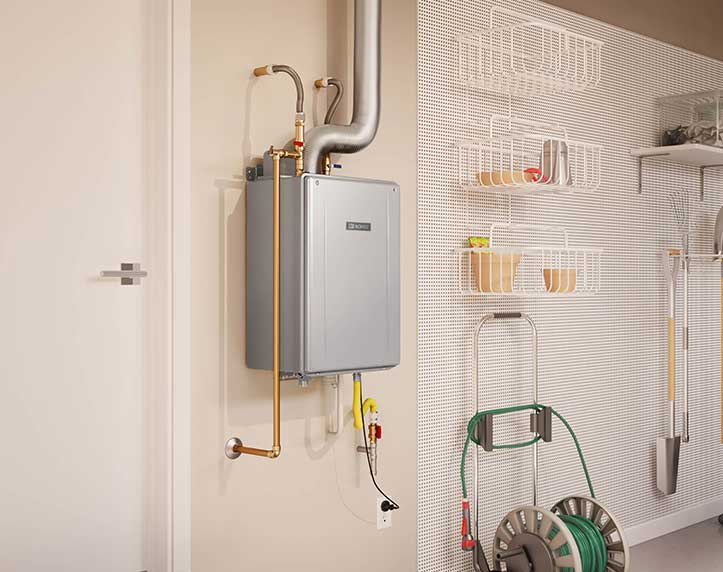
In today’s world, where technology is rapidly evolving, integrating smart solutions into home systems is becoming increasingly popular. One such advancement that promises efficiency and convenience is the smart tankless water heater. Unlike traditional water heaters that store and continuously heat water, tankless models heat water on demand, providing a more efficient and eco-friendly solution. Smart technology further enhances this system, offering features that cater to modern living needs while contributing to energy conservation and cost savings.
Understanding Smart Tankless Water Heaters
Smart tankless water heaters are equipped with advanced technology that allows for remote control and monitoring via smartphones or smart home hubs. These devices can be programmed to heat water only when needed, reducing energy consumption significantly. The smart features of these heaters provide users with precise temperature control, ensuring consistent water temperature throughout usage.
Key Features and Benefits
- Energy Efficiency: By heating water on demand, these systems eliminate the need to keep a tank of water heated constantly, resulting in significant energy savings.
- Space Saving: Without the bulk of a traditional water tank, these units are compact and ideal for smaller spaces.
- Longer Lifespan: Tankless water heaters generally last longer than traditional models, with a lifespan of around 20 years.
- Smart Connectivity: Control and monitor your water heater settings from anywhere through a mobile app or smart home system.
- Consistent Hot Water Supply: Enjoy an endless supply of hot water without the fluctuations in temperature common with traditional tanks.
Installation and Maintenance
Installing a smart tankless water heater requires careful consideration of various factors such as the flow rate and the power requirements of the unit. It’s recommended to consult with a professional to assess the home’s needs and ensure proper installation. Regular maintenance is also crucial to ensure the longevity and efficiency of the system.
Steps for a Successful Installation
- Determine the appropriate unit based on household size and hot water demands.
- Ensure the electrical system is compatible with the heater’s power requirements.
- Consult with a certified technician for proper installation and setup.
- Schedule regular maintenance checks to prevent scaling and ensure optimal performance.
Cost Considerations and Savings
While the initial cost of a smart tankless water heater may be higher than traditional models, the long-term savings on utility bills can offset this investment. These heaters use less energy, which translates to lower electricity or gas bills. Additionally, many regions offer rebates or incentives for installing energy-efficient appliances, providing further financial benefits.
Evaluating the Investment
- Calculate potential savings on energy bills to determine return on investment.
- Research available rebates or tax incentives for energy-efficient upgrades.
- Consider the added value of having a smart home feature that appeals to future homebuyers.
Conclusion
Integrating a smart tankless water heater into a home not only enhances the living experience with modern conveniences but also contributes to a more sustainable and efficient household. With the ability to precisely control water temperature and reduce energy usage, these systems represent the future of home water heating solutions. For those looking to upgrade, exploring the benefits and features of a smart tankless water heater can be a significant step towards a smarter, greener home.
