
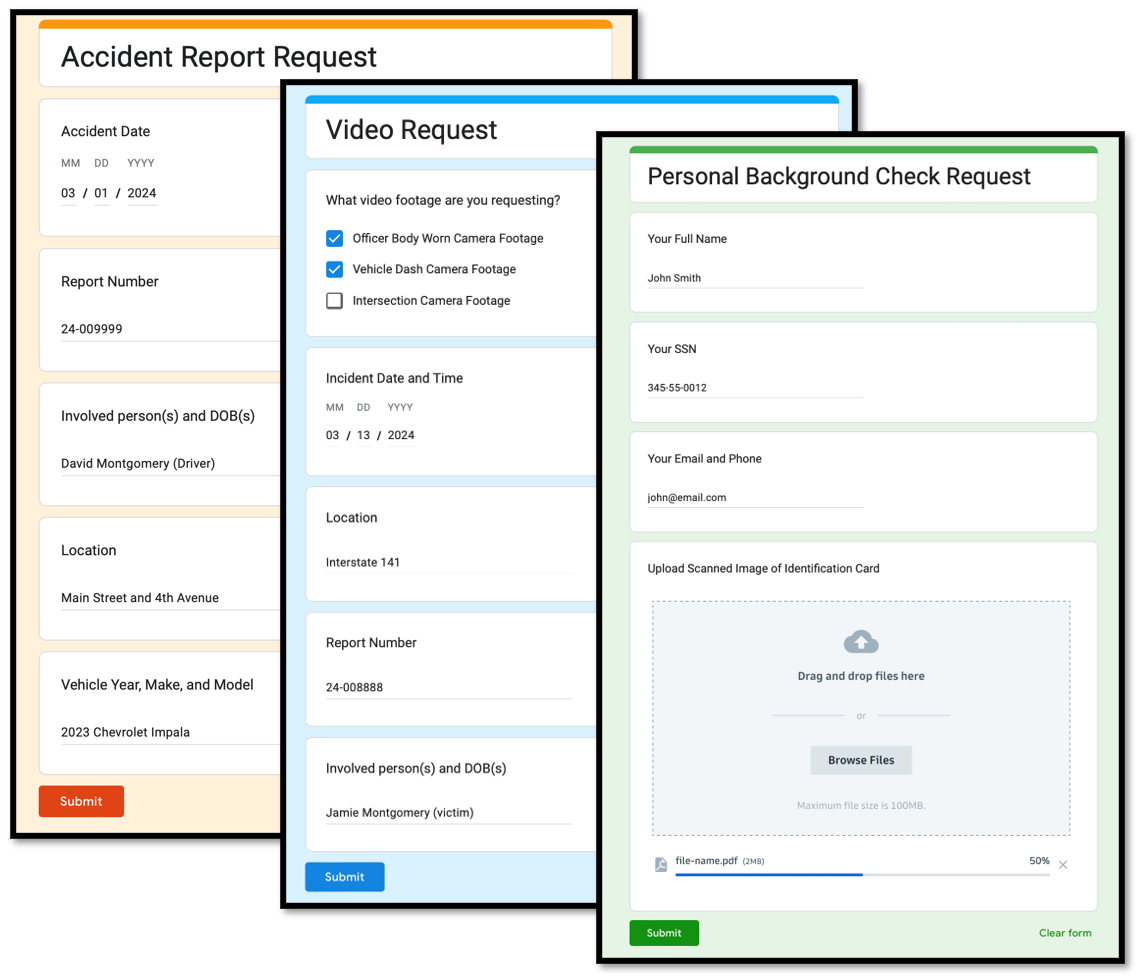
Law enforcement agencies face ever-increasing demands to collect, analyze, and share data across multiple jurisdictions while preserving chain-of-custody and ensuring compliance with legal standards. Modern case management software (CMS) offers a centralized platform that transforms disparate records into actionable intelligence, reduces manual workload, and accelerates the investigative cycle. By integrating digital evidence, witness statements, and procedural documentation into a single, searchable repository, agencies can focus on the core mission of public safety rather than administrative bottlenecks.
Key Benefits of Case Management Software for Investigations
Improved Data Consolidation
- All case files, multimedia evidence, and investigative notes are stored in a unified database, eliminating the need for physical folders or scattered spreadsheets.
- Advanced search filters allow detectives to retrieve relevant information within seconds, supporting faster decision-making.
- Secure cloud-based storage ensures that data remains accessible to authorized personnel even when officers are in the field.
Enhanced Collaboration Across Agencies
- Role-based permissions enable seamless sharing of case details with partner agencies while protecting sensitive information.
- Real-time updates keep every stakeholder informed of new leads, evidence uploads, or status changes.
- Integrated communication tools reduce reliance on external email threads, minimizing the risk of information loss.
Streamlined Workflow Automation
- Automated task assignments trigger alerts when deadlines approach, ensuring critical steps such as evidence preservation or witness follow-up are never missed.
- Standardized templates for reports, subpoenas, and chain-of-custody forms improve consistency and reduce errors.
- Audit trails record every action taken within the system, supporting transparency and accountability during internal reviews or court proceedings.
Core Features to Look For
- Evidence Management: Ability to ingest photos, video, audio, and digital forensics files with metadata tagging.
- Case Timeline Visualization: Graphical representation of events, allowing investigators to see chronological relationships at a glance.
- Integration Capabilities: Compatibility with existing dispatch, records management, and CAD systems to avoid data silos.
- Mobile Access: Secure apps for tablets and smartphones so officers can update cases directly from crime scenes.
- Compliance Modules: Built-in checks for jurisdiction-specific regulations, such as CJIS or GDPR, to safeguard data handling practices.
Implementing a CMS: Best Practices
Transitioning to a new case management platform requires careful planning to avoid disruption. The following steps provide a roadmap for successful adoption:
- Stakeholder Assessment: Identify the needs of detectives, analysts, prosecutors, and IT staff. Gather input through workshops to prioritize features that directly impact investigative efficiency.
- Pilot Program: Launch a limited-scope trial with a single precinct or specialized unit. Measure metrics such as case resolution time and user satisfaction before full rollout.
- Data Migration Strategy: Map existing records to the new system’s schema, ensuring that legacy evidence retains its integrity and searchable metadata.
- Training & Support: Provide role-specific training modules and maintain a help desk during the early phases to address user questions promptly.
- Continuous Evaluation: Conduct quarterly reviews to assess performance against predefined KPIs and adjust workflows as needed.
Real-World Impact: Case Studies
Agencies that have embraced case management solutions report measurable improvements in investigative outcomes. For example, a metropolitan police department reduced average case closure time by 30% after integrating a CMS that linked forensic analysis directly to suspect profiles. Another regional sheriff’s office cited a 25% decrease in duplicated effort when multiple detectives accessed a shared evidence library, freeing resources for proactive policing.
These successes illustrate how technology can amplify traditional policing methods without replacing the critical judgment of experienced officers. To explore similar strategies, Discover expert strategies here.
Choosing the Right Vendor
Selecting a provider involves more than evaluating feature lists. Consider the following criteria:
- Scalability: The platform should accommodate growth in case volume and user count without performance degradation.
- Customization: Ability to tailor workflows, forms, and dashboards to reflect agency-specific procedures.
- Security Certifications: Look for compliance with CJIS, ISO 27001, or other relevant standards.
- Customer Support: 24/7 technical assistance and dedicated account managers can reduce downtime during critical investigations.
For a deeper dive into evaluating solutions, Learn about our tailored solutions and compare the options that align with operational goals.
Future Trends in Law Enforcement Case Management
Emerging technologies are set to further enhance investigative capabilities:
- Artificial Intelligence: Predictive analytics can flag patterns across cases, helping detectives identify serial offenses earlier.
- Blockchain Evidence Chains: Immutable ledgers provide tamper-proof records of evidence handling, strengthening admissibility in court.
- Augmented Reality (AR) Briefings: Interactive scene reconstructions allow juries to visualize crime scenes directly from digital evidence.
Staying informed about these developments ensures that agencies remain at the forefront of effective policing. To keep up with cutting-edge guidance, Explore advanced guides and tips.
Conclusion
Case management software has become an essential tool for modern law enforcement, turning cumbersome paperwork into streamlined, collaborative workflows. By centralizing evidence, automating routine tasks, and facilitating secure inter-agency communication, these platforms empower investigators to solve crimes more efficiently while maintaining the highest standards of accountability. Agencies that adopt a thoughtfully implemented CMS can expect faster case resolution, reduced administrative overhead, and stronger legal defensibility, ultimately enhancing public trust and safety. For additional insights on optimizing investigative processes, Find out more about this approach.
