
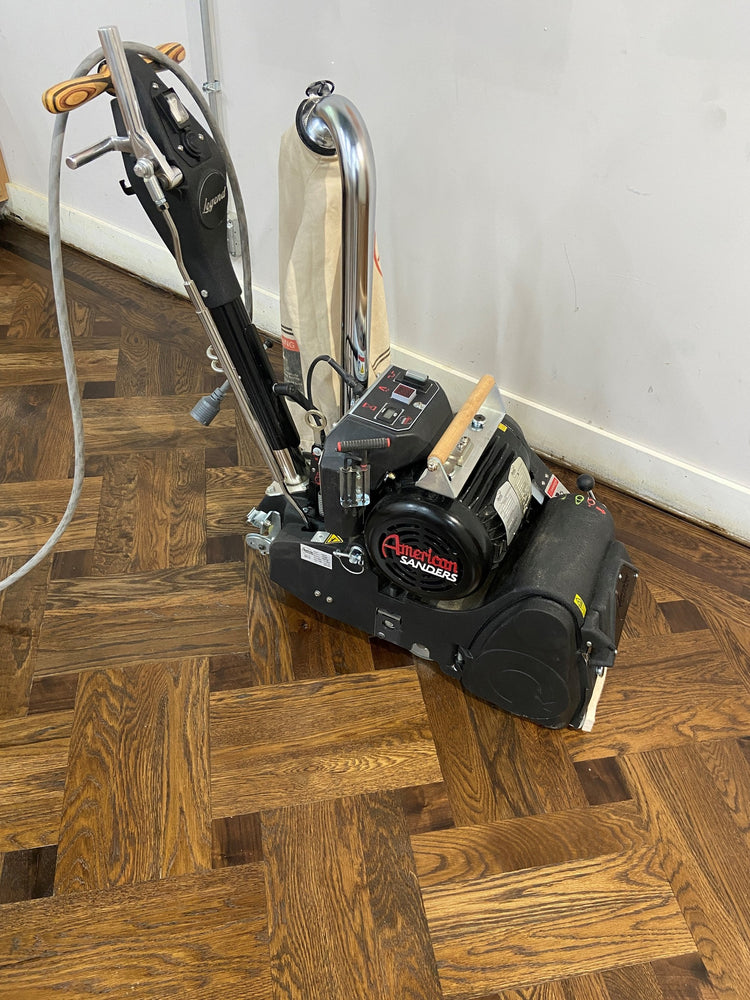
Wooden floors are a timeless and elegant choice for any home or commercial space. They add warmth and character but, like any other surface, they can lose their luster over time. Scratches, dents, and general wear and tear can detract from their beauty. Fortunately, wooden floor restoration offers a solution to breathe new life into your floors, enhancing their aesthetic appeal and extending their lifespan. This article delves into different aspects of wooden floor restoration, offering insights and strategies to help maintain and maximize the beauty of your wooden floors.
Understanding Wooden Floor Restoration
Wooden floor restoration is a comprehensive process that involves repairing, sanding, and refinishing the floor to restore its original beauty. It addresses various issues, such as:
- Scratches and scuffs that mar the surface.
- Stains and discoloration caused by spills and sunlight exposure.
- Gaps and buckling due to humidity changes.
- General wear and loss of finish over time.
For those looking to undertake this process, discover expert strategies here that detail the step-by-step approach to effective restoration.
The Importance of Professional Restoration
While DIY methods are appealing, professional restoration services offer numerous advantages:
- Expertise: Professionals possess the skills and experience to handle various wood types and issues.
- Advanced Tools: Access to industrial-grade sanders and finishers ensures a smoother, more even result.
- Time-Efficiency: Professionals can complete the task faster without compromising quality.
- Durability: Using high-quality finishes ensures the floor’s longevity and resistance to future damage.
Learn about our tailored solutions for professional wooden floor restoration by visiting this link.
Steps Involved in Wooden Floor Restoration
Sanding
Sanding is the first step, removing the old finish and smoothing out imperfections. It requires precision and the right equipment to avoid damaging the wood. Explore advanced guides and tips to understand the nuances of sanding different wood types.
Staining
Once sanded, the floor can be stained to enhance wood grain patterns or achieve a desired color. This step allows customization to match the d?cor of the space.
Finishing
The final step involves applying a finish to protect the wood and add shine. Options include polyurethane, wax, or oil, each with its benefits and levels of protection. Find out more about this approach to ensure the right choice for your flooring needs.
Maintaining Restored Wooden Floors
Once your wooden floors have been restored, maintenance is key to preserving their beauty and extending their life.
- Regular cleaning with a soft broom or vacuum to remove dirt and debris.
- Using a damp mop with a wood-friendly cleaner for occasional deep cleaning.
- Placing mats at entryways to reduce dirt and moisture tracking.
- Using furniture pads to prevent scratches from movement.
For ongoing care strategies, explore advanced guides and tips that provide comprehensive maintenance plans.
Conclusion
Wooden floor restoration is an invaluable process that not only revitalizes the appearance of your floors but also preserves their structural integrity. By understanding the steps involved and the importance of professional intervention, you can ensure your floors remain a stunning feature of your space for years to come. Whether you’re considering a DIY approach or seeking professional assistance, the right strategies and knowledge are essential in achieving the best results. To embark on your restoration journey, discover expert strategies here.
