
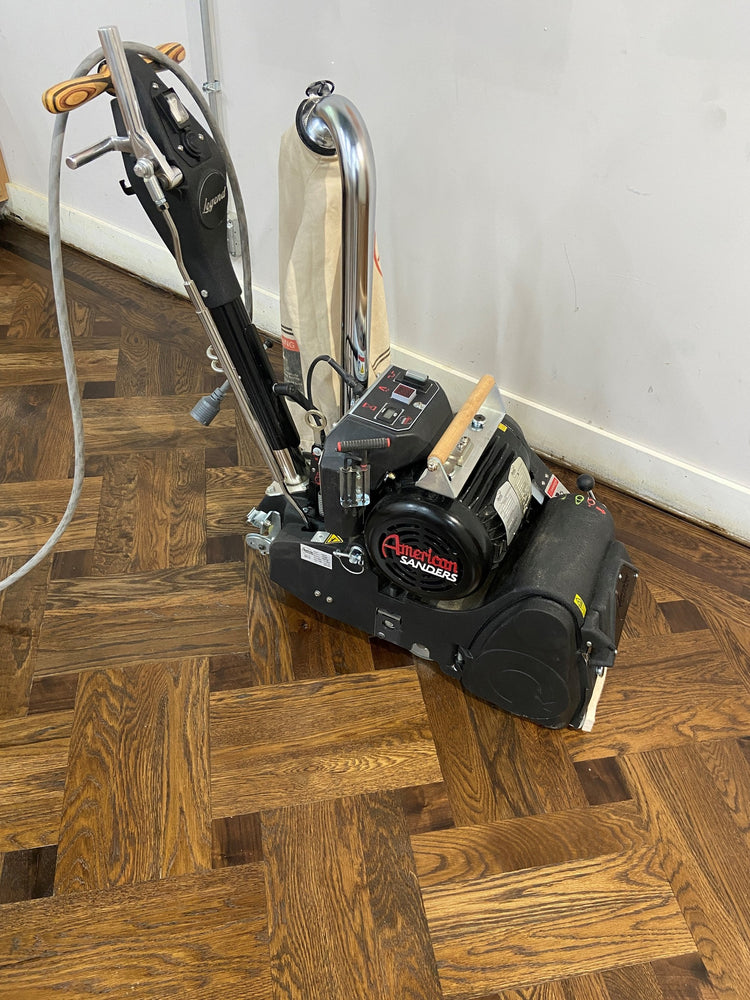
Hardwood floors, with their timeless beauty and elegance, are a desirable feature in many homes and businesses. However, over time, even the most well-maintained hardwood floors can show signs of wear and tear. Sanding is a crucial step in restoring the finish, enhancing the appearance, and prolonging the lifespan of these floors. This article delves into effective hardwood floor sanding solutions, providing insights and techniques to maintain the pristine condition of your flooring.
Understanding the Importance of Floor Sanding
Sanding is an integral part of hardwood floor maintenance. It not only revives the surface but also prepares it for refinishing, allowing new stains and finishes to adhere properly. The process involves removing the top layers of the floor to eliminate scratches, stains, and minor damages.
Key Benefits of Professional Sanding
Opting for professional sanding services can offer several advantages:
- Elimination of deep scratches and surface imperfections.
- Restoration of the floor?s original color and texture.
- Increased durability and resistance to future wear.
- Improved aesthetics and property value.
Choosing the Right Sanding Technique
Different techniques may be employed depending on the condition of the floor and the desired outcome. Here are some common methods:
Traditional Sanding
Traditional sanding involves using heavy-duty machines to sand the floor down to its raw surface. This method is ideal for floors with significant damage. Discover expert strategies here.
Dustless Sanding
This modern approach minimizes dust production, providing a cleaner and healthier environment. It is especially beneficial in residential settings or occupied commercial spaces. Learn about our tailored solutions.
Preparation for Sanding
Proper preparation is crucial for achieving the best results:
- Clear the area of furniture and rugs to ensure unobstructed access.
- Inspect the floor for nails or staples that might protrude, and address them.
- Ensure adequate ventilation to assist in drying and curing processes post-sanding.
Post-Sanding Care and Maintenance
After sanding, maintaining the newly refreshed floor is imperative for long-lasting results:
- Apply a high-quality finish to protect the surface.
- Use appropriate cleaning products to avoid damage.
- Consider periodic maintenance sanding to extend the lifespan of the finish.
For more detailed guidance on maintaining your hardwood floors after sanding, explore advanced guides and tips.
Conclusion
Hardwood floor sanding is a powerful solution for addressing wear and tear, revitalizing aesthetics, and ensuring the longevity of your flooring investment. By understanding the benefits and proper techniques involved, property owners can make informed decisions that align with their needs and preferences. For comprehensive insights into the process and to explore tailored solutions, find out more about this approach.
