
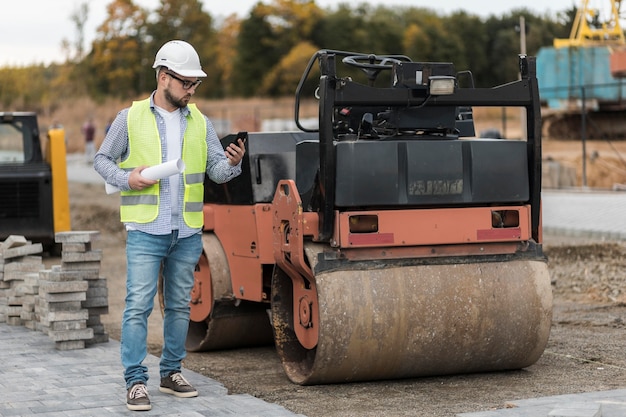
When planning a new driveway, parking lot, or road surface, understanding the factors that influence asphalt paving cost is essential for budgeting and achieving a durable finish. Asphalt is prized for its flexibility, quick installation, and long-term performance, but the price can vary widely based on material choices, site conditions, and local market rates. This guide breaks down the key components that shape the cost of an asphalt paving project, helping decision-makers evaluate options, anticipate expenses, and make informed choices for the next construction phase.
Core Elements That Determine Asphalt Paving Cost
Material Quality and Mix Design
The composition of the asphalt mix, aggregate size, binder type, and additive inclusion, directly impacts price. Higher-grade aggregates and polymer-modified binders improve durability and resistance to cracking, but they also raise the per-ton cost. Selecting the appropriate mix depends on traffic load, climate, and expected lifespan.
Project Size and Thickness
Cost scales with the square footage and required thickness of the pavement. A typical residential driveway may need a 2-inch layer, while commercial lots often require 3-4 inches to support heavier vehicles. Larger areas benefit from economies of scale, yet they still demand more material and labor.
Site Preparation and Sub-Base Requirements
Proper preparation ensures a stable foundation and prevents premature failures. Activities such as grading, removing old pavement, compacting the sub-grade, and installing a suitable sub-base can add significantly to the overall budget.
Geographic Location and Labor Rates
Regional differences in labor wages, equipment availability, and material transport affect the final price. Urban centers with high demand may see higher rates compared to rural areas.
Typical Cost Breakdown (U.S. Estimates)
- Materials: $40-$70 per ton, depending on mix specifications.
- Installation (including equipment and crew): $2-$5 per square foot for standard residential projects.
- Sub-base and preparation: $1-$3 per square foot, varying with soil conditions.
- Additional services (sealcoating, line striping, drainage): $0.50-$1.50 per square foot.
For a 1,200-square-foot driveway with a 2-inch thickness, the total cost typically ranges from $2,400 to $4,800, inclusive of preparation and finishing touches.
Factors That Can Increase or Decrease the Price
- Seasonal Timing: Paving in dry, moderate weather reduces delays and may lower labor costs.
- Existing Surface Removal: Demolition of old asphalt or concrete adds labor and disposal fees.
- Access Constraints: Tight spaces or limited truck access require additional equipment or manual labor.
- Volume Discounts: Large commercial projects often qualify for reduced per-ton rates.
- Local Regulations: Permits, environmental compliance, and testing can introduce extra fees.
Choosing the Right Asphalt Partner
Partnering with an experienced paving contractor ensures accurate estimates, proper mix selection, and adherence to best practices. Professionals conduct site assessments, recommend suitable thicknesses, and provide detailed proposals that separate material costs from labor and ancillary services. Discover expert strategies here to compare different approaches and align them with project goals.
Cost-Saving Tips Without Compromising Quality
- Plan for Proper Drainage: Effective water management reduces future repair costs.
- Schedule Regular Maintenance: Sealcoating every 2-3 years extends pavement life and delays costly resurfacing.
- Consider Recycled Asphalt: Using reclaimed material can lower material expenses while maintaining performance.
- Obtain Multiple Bids: Comparing at least three detailed proposals helps identify the most competitive offer.
Implementing these measures can shave 10-15% off the total project cost while preserving the integrity of the surface.
Understanding the Value of Customer Feedback
Real-world experiences from previous clients provide insight into a contractor’s reliability, workmanship, and post-project support. Check out customer reviews here to gauge satisfaction levels and identify common strengths or concerns.
Additional Resources for In-Depth Knowledge
For readers seeking a deeper dive into technical specifications, maintenance schedules, or cost-estimation tools, Explore advanced guides and tips that cover everything from mix design fundamentals to long-term budgeting strategies.
Conclusion
Accurately forecasting asphalt paving cost involves evaluating material quality, project dimensions, site preparation, and regional labor rates. By breaking down each component, leveraging cost-saving practices, and selecting a reputable contractor, property owners can achieve a high-performing surface that meets budget expectations. Continuous maintenance and informed decision-making further protect the investment, ensuring the pavement remains safe and functional for years to come. For tailored advice and detailed quotations, consider reaching out to seasoned professionals who specialize in delivering reliable asphalt solutions.
