
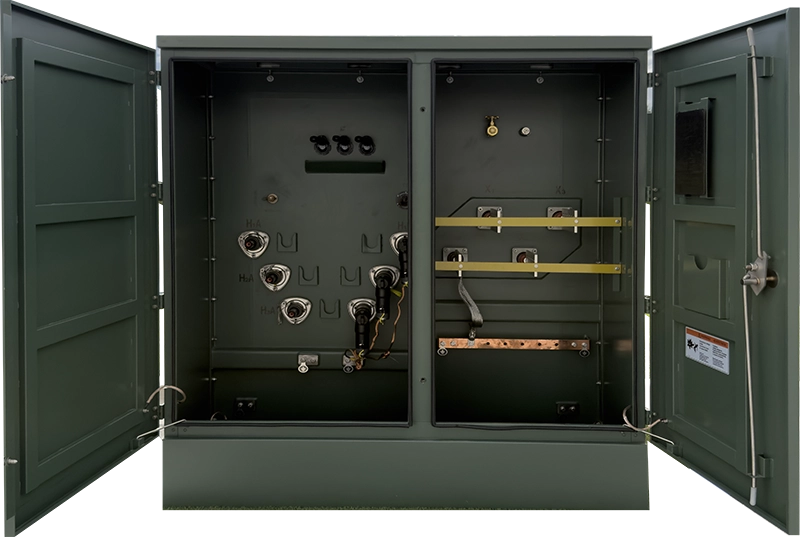
Transformers in the 5000″?kVA class play a pivotal role in medium-voltage distribution networks, industrial complexes, and large commercial facilities. As utilities and private operators upgrade aging infrastructure, the market for these high-capacity units has become increasingly dynamic. Understanding the factors that influence pricing, ranging from core material and design configuration to regional regulatory requirements, helps engineers, procurement specialists, and financial planners make informed decisions that balance performance, reliability, and total cost of ownership.
Key Drivers Behind the Current Price Range
The cost of a 5000″?kVA transformer is not a single static figure; it reflects a combination of technical specifications, manufacturing processes, and market conditions. The following elements have the greatest impact:
- Core and winding materials: High-grade silicon steel cores and copper windings increase efficiency but also raise material costs.
- Design type: Pad-mount, oil-immersed, and dry-type constructions each carry distinct price points due to differences in cooling, insulation, and installation requirements.
- Regulatory compliance: Adherence to IEC, ANSI, and local environmental standards (e.g., low-SF??? or biodegradable oil) can add testing and certification expenses.
- Manufacturing location: Labor rates, tariff structures, and supply-chain logistics affect the final invoice, especially for units sourced from overseas versus domestically produced.
- Customization level: Options such as tap changers, monitoring systems, and protective relays are priced separately and can significantly broaden the overall range.
Typical Price Bands in 2024-2025
Based on recent quotations from multiple manufacturers and distributors, the following price bands represent the most common market scenarios for a standard 5000″?kVA pad-mount, oil-immersed transformer:
Entry-Level Models
- Base price: $120,000″?-“?$150,000
- Includes standard oil-filled tank, basic tap changer, and standard cooling system.
- Targeted at smaller utilities or industrial sites with limited budget constraints.
Mid-Range Options
- Base price: $150,000″?-“?$190,000
- Enhanced efficiency (???”?98″?% at full load), optional remote monitoring, and higher-grade insulation.
- Often selected for projects that require a balance between upfront cost and operational savings.
Premium Configurations
- Base price: $190,000″?-“?$240,000+
- Features such as advanced load-tap-changing mechanisms, biodegradable oil, and integrated condition-based monitoring.
- Preferred for mission-critical facilities where reliability and reduced downtime are paramount.
For a detailed look at specific product offerings, consult the 5000 kva transformer page, which lists current models and their technical data.
How Specification Impacts Cost
Beyond the broad price bands, the exact 5000 kva transformer specification determines the final purchase price. Critical specification items include:
- Voltage rating: Higher primary or secondary voltages may require larger clearances and thicker insulation.
- Impedance level: Lower impedance improves fault-level performance but can increase core size.
- Temperature rise limit: Designs allowing a 55″???C rise are typically less expensive than those limited to 45″???C.
- Cooling method: Natural oil circulation versus forced oil or forced air cooling influences both capital and operating costs.
- Tap changer type: On-load tap changers (OLTC) add complexity and price compared with off-load versions.
When evaluating a quote, cross-reference each of these parameters with the project’s performance criteria to avoid over-specifying or under-specifying the unit.
Factors That Can Reduce Total Cost of Ownership
While the purchase price is the most visible figure, long-term economics often drive the final decision. Consider the following strategies to improve lifecycle value:
- Energy efficiency incentives: Many jurisdictions offer rebates for transformers meeting high-efficiency standards, effectively lowering net cost.
- Predictive maintenance: Installing condition-monitoring sensors can extend service intervals and reduce unexpected outages.
- Standardized accessories: Selecting commonly available bushings and tap changer modules simplifies spare-parts inventory.
- Local manufacturing: Units produced closer to the installation site can reduce freight and customs duties.
Market Trends Shaping Future Prices
Several macro-level trends are expected to influence the 5000 kva transformer price trajectory over the next five years:
- Raw material volatility: Fluctuations in copper and steel prices directly affect transformer cost structures.
- Environmental regulations: Growing restrictions on mineral oil may accelerate the shift toward biodegradable alternatives, initially raising costs.
- Digital integration: Smart grid compatibility and IoT-enabled monitoring are becoming baseline expectations, adding modest price premiums.
- Supply-chain resilience: Post-pandemic logistics improvements are stabilizing lead times, but geopolitical tensions could re-introduce delays.
Practical Steps for Procurement Teams
To navigate the price landscape effectively, follow this structured approach:
- Define technical requirements: Compile a clear list of voltage, impedance, cooling, and monitoring needs.
- Benchmark multiple suppliers: Request detailed quotations that break down material, labor, and optional features.
- Evaluate total cost of ownership (TCO): Include estimated energy losses, maintenance, and potential rebates.
- Assess delivery and warranty terms: Shorter lead times and extended warranties can offset higher upfront costs.
- Conduct a risk analysis: Consider supplier financial health, after-sales support, and compliance certifications.
Conclusion
The price range for 5000″?kVA transformers today reflects a complex interplay of material costs, design choices, regulatory pressures, and market dynamics. By dissecting each cost driver, aligning specifications with actual performance needs, and factoring in long-term operational expenses, stakeholders can secure a solution that delivers both economic and technical value. Continuous monitoring of industry trends, especially those related to efficiency standards and environmental compliance, will ensure that future procurement decisions remain both competitive and sustainable.
