
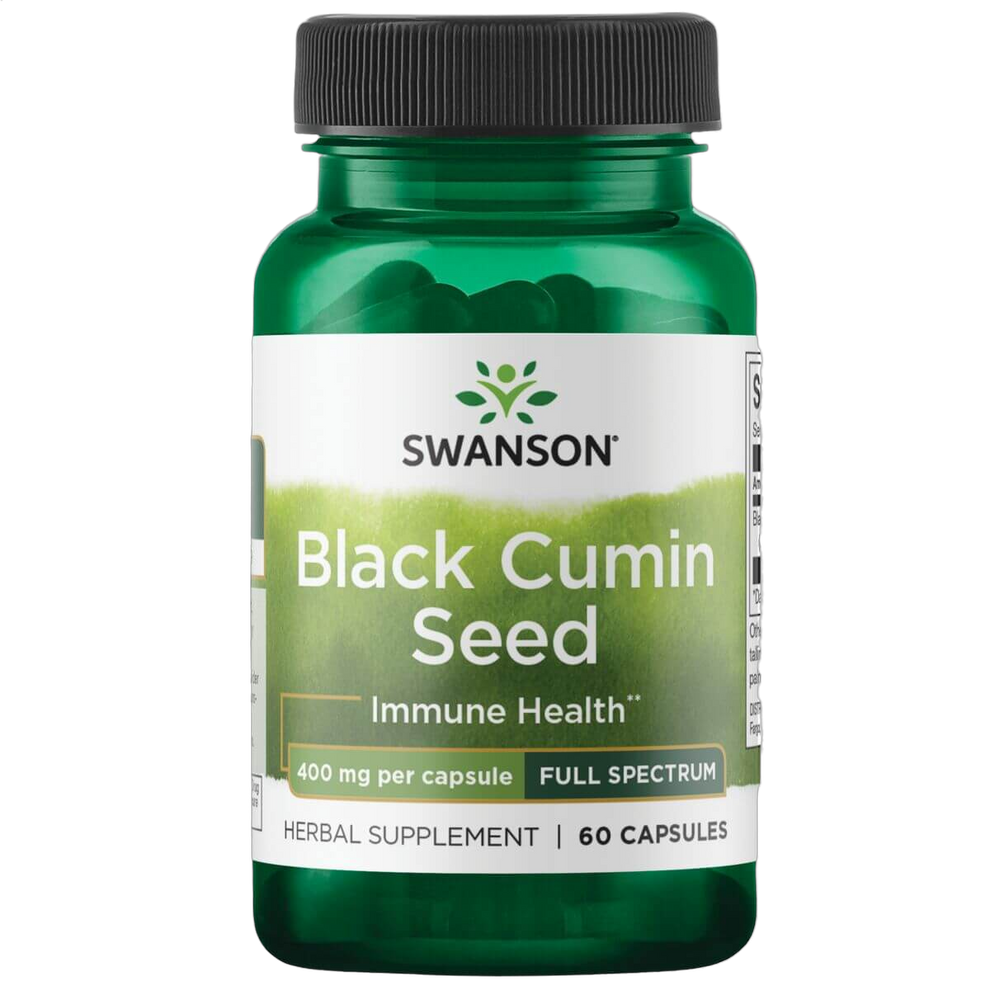
Black cumin seed oil capsules have surged in popularity as a modern supplement, yet many people still turn to time-honored remedies for similar health concerns. Understanding how the two approaches compare, particularly in terms of efficacy, safety, and convenience, helps consumers make informed decisions about integrating natural solutions into their daily routines. This article examines the scientific backdrop of black cumin seed oil, outlines its capsule form, and contrasts it with traditional herbal and home-based treatments, providing a clear framework for evaluating which option may best suit individual wellness goals.
What Is Black Cumin Seed Oil?
Derived from the seeds of Nigella sativa, black cumin seed oil contains a rich profile of bioactive compounds, the most notable being thymoquinone. Research suggests that thymoquinone possesses antioxidant, anti-inflammatory, and immune-modulating properties. When encapsulated, the oil is protected from oxidation, delivering a consistent dose that is easy to incorporate into a busy lifestyle.
Key Benefits Highlighted in Clinical Studies
- Supports respiratory health by reducing airway inflammation.
- Helps maintain healthy blood sugar levels.
- Promotes skin hydration and reduces the appearance of blemishes.
- Provides a natural boost to the immune response.
Traditional Remedies: A Brief Overview
For centuries, cultures across the Middle East, South Asia, and the Mediterranean have relied on herbal teas, tinctures, and topical preparations to address similar ailments. Common traditional options include:
- Honey and lemon mixtures for soothing coughs.
- Turmeric paste for joint discomfort.
- Licorice root tea for digestive support.
- Calendula ointments for skin irritation.
Comparative Analysis: Capsules vs. Traditional Remedies
1. Consistency of Dosage
Black cumin seed oil capsules deliver a precise amount of active compounds per serving, eliminating the variability inherent in homemade preparations. Traditional remedies often depend on personal measurement, which can lead to under- or over-dosing.
2. Bioavailability
Encapsulation protects the oil from exposure to light and air, preserving thymoquinone’s potency until it reaches the digestive tract. Some traditional extracts, especially those prepared with water, may lose potency during boiling or steeping.
3. Convenience and Lifestyle Fit
Taking a capsule requires only a few seconds and fits easily into daily supplement routines. In contrast, brewing teas or mixing topical pastes demands time, equipment, and sometimes specific storage conditions.
4. Safety Profile
Both approaches are generally safe when used appropriately, but capsules undergo quality control testing for contaminants and standardization. Traditional remedies may vary in purity, especially when sourced from non-regulated markets.
5. Cost Considerations
While premium capsule brands can be pricier per dose, the cost is offset by reduced waste and longer shelf life. Homemade remedies often appear inexpensive but can accrue hidden costs through repeated ingredient purchases and preparation time.
When to Choose Black Cumin Seed Oil Capsules
Capsules are especially advantageous for individuals who:
- Seek a reliable, measured intake of black cumin’s active compounds.
- Have limited time for daily preparation of herbal mixtures.
- Prefer a portable format for travel or work environments.
- Require a product that meets stringent manufacturing standards.
For a curated selection of high-quality capsules, Discover expert strategies here and explore options that align with evidence-based dosing.
When Traditional Remedies May Be Preferable
Some scenarios favor the use of classic preparations:
- When addressing acute, localized symptoms such as a sore throat or skin irritation.
- For those who enjoy the ritualistic aspect of brewing teas or creating poultices.
- If there is a cultural or personal preference for whole-food, minimally processed solutions.
Guides on crafting effective herbal blends can be found by Learn about our tailored solutions, offering practical tips for integrating traditional methods safely.
Integrating Both Approaches for Synergistic Benefits
Combining capsule supplementation with targeted traditional remedies can create a comprehensive wellness plan. For example, using black cumin seed oil capsules daily for systemic support while applying a calendula-black cumin topical ointment for skin health can maximize the therapeutic spectrum.
- Start the day with a capsule to establish baseline antioxidant protection.
- Prepare a soothing tea of honey, lemon, and a few drops of black cumin oil for evening respiratory comfort.
- Apply a thin layer of mixed calendula and black cumin oil to any skin irritations before bedtime.
For deeper insight into such combined protocols, Explore advanced guides and tips that outline step-by-step usage.
Final Thoughts
The decision between black cumin seed oil capsules and traditional remedies hinges on personal priorities, whether consistency, convenience, and standardized dosing are paramount, or if the hands-on experience of herbal preparation holds greater appeal. Both pathways offer legitimate health benefits, and when chosen wisely, can complement each other to enhance overall well-being. To stay informed about the latest research and product developments, Find out more about this approach and keep pace with evolving natural health strategies.
